


Agroecology: investing in new agricultural practices
Sustainability is a key challenge for agricultural models because of their impact on the environment (biodiversity, soil health, water use) and their vulnerability to climate change. This is why Les vergers Boiron is committed to transitioning from conventional farming methods to agroecological practices that restore the full regulatory capacity of the living world.
What is regenerative agriculture?
By relying on the natural functions of ecosystems (carbon storage, soil life, soil nutritional richness) and reinforcing them, agriculture becomes less dependent on external inputs and more resilient to climate challenges.
Regenerative agriculture therefore aims in particular to restore biodiversity and soil fertility in the long term. It encourages crop diversity, uses beneficial insects to control pests, and reinforces natural processes such as nitrogen and carbon cycles. These models use fewer pesticides, emit less greenhouse gases, and consume fewer natural resources.
Biodiversity at the heart of regenerative production
The goal of most projects is to reduce the use of chemicals while enhancing the biodiversity of soils and plantations. Wild plants can then cover the soil to promote water infiltration, and legumes can be sown to enrich the soil with nitrogen. This approach preserves soil health and strengthens the resilience of crops to climatic hazards.
Agropartner and Les vergers Boiron: a partnership for sustainable agriculture
Agropartner: Serbian expert in frozen red fruits
Since 1990, Agropartner has been producing up to 8,000 tons of frozen red fruits per year (raspberries, blackberries, etc.), sourced directly from local farms in Serbia. Thanks to its premium quality, rigorous traceability, and family expertise, Agropartner is now a key player in the frozen fruit market in Europe, meeting the demands of international customers.
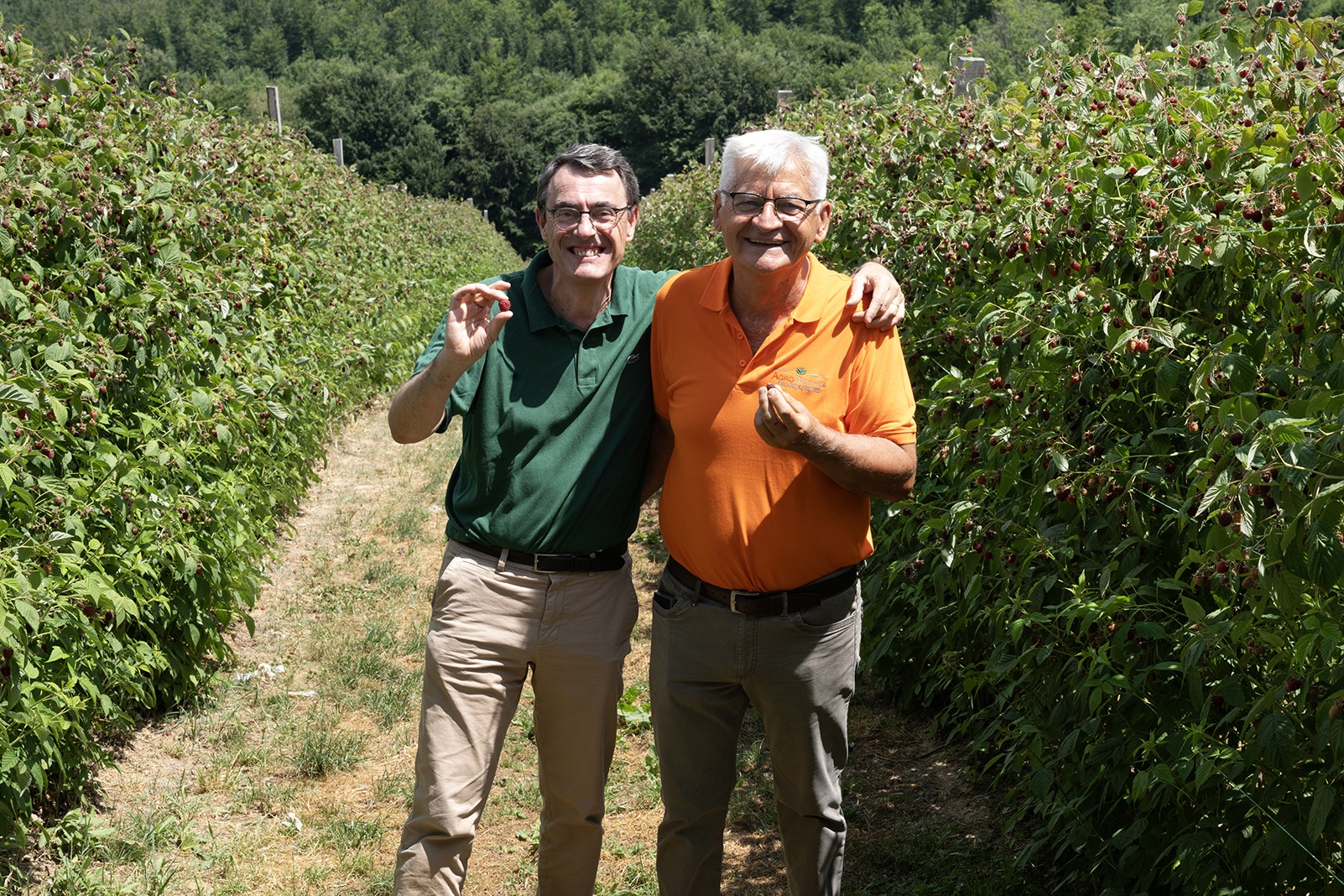
In Serbia, climate change poses challenges for raspberry production, with prolonged droughts, extreme heat during the harvest period, and late frosts damaging fruit quality.
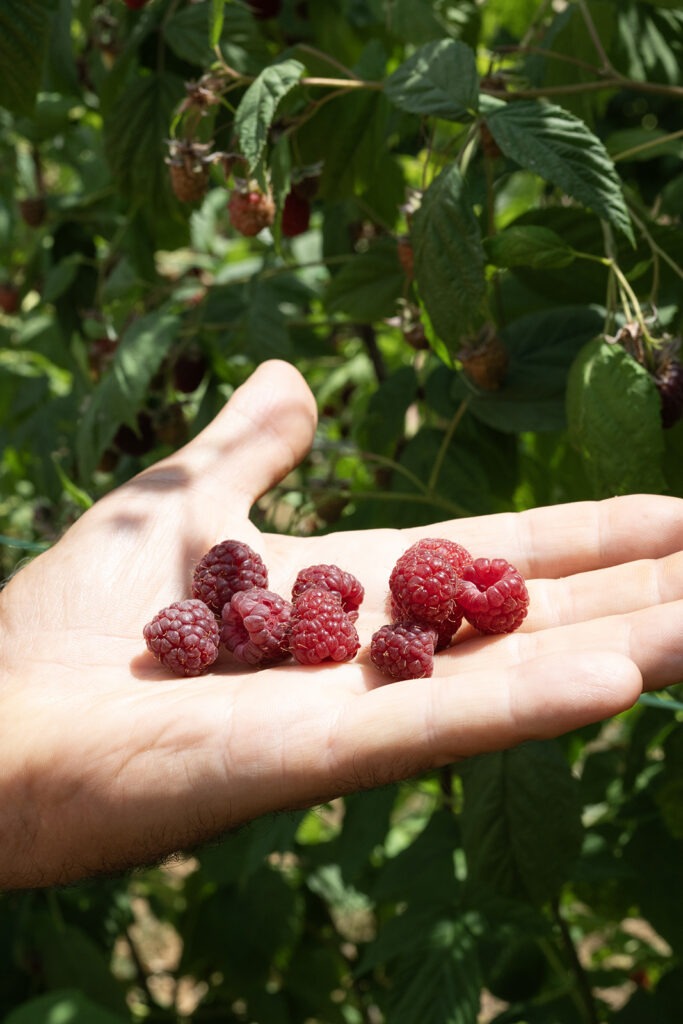
Launched in 2024, the regenerative raspberry project led by Agropartner and Les vergers Boiron reflects a commitment to a transition towards sustainable agriculture capable of meeting the challenges it faces. This strategic partnership is intended to rethink traditional agricultural models by replacing chemical inputs with an agroecological approach focused on soil health and crop resilience.
An innovative approach for more sustainable production
Agropartner has implemented a number of measures, including:
- Reducing tillage to preserve the soil’s natural structure and promote microorganism activity.
- Using organic fertilizers (such as manure and microbiological fertilizers) to enrich the soil while keeping chemical use to a minimum.
- Reducing chemical pesticides, offset by biological and mechanical control methods.
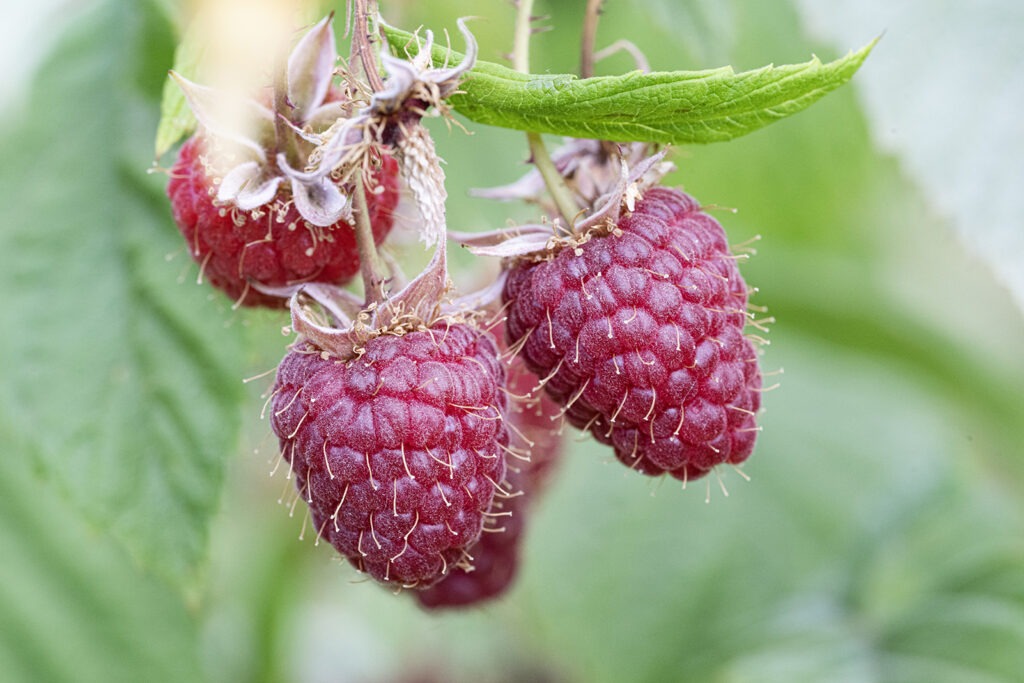
However, these new practices often involve additional costs (organic fertilizers, labor, equipment) that can be difficult to absorb, especially when faced with a temporary drop in yield during the conversion phase.
While still on trial, the project is already showing promising results. The use of organic fertilizers and the reduction of pesticides have tripled microbial activity in regenerative soils, a sign of increased biodiversity compared to conventional practices.
Looking ahead, Agropartner plans to gradually expand the project. Thanks to the increasing involvement of local producers and the ongoing support of Les vergers Boiron, the goal is to develop a sustainable and profitable agricultural model that can inspire other regions.
Read the full interview now to learn more about how this project is revolutionizing raspberry production and how it could redefine the agriculture of tomorrow.
The challenges of transitioning to regenerative agriculture
For all its benefits and the challenges it addresses, regenerative agriculture remains difficult to implement. Climate and economic constraints, along with producer reluctance, are slowing the transition to more sustainable methods. Agroecology is a long-term process that implies considerable time for the development, testing, and implementation of new methods. It also requires investment and a willingness to take risks, which can be challenging for producers. This is where cooperation comes into play. Collective efforts to implement agroecological practices are essential to enable the transition. Often, producers are unable to undertake such projects on their own.
Les vergers Boiron is therefore fully committed to supporting the agricultural transition and assisting producers. Close collaboration and long-term purchase agreements are key drivers to ensure stable incomes for producers while maintaining high-quality production.
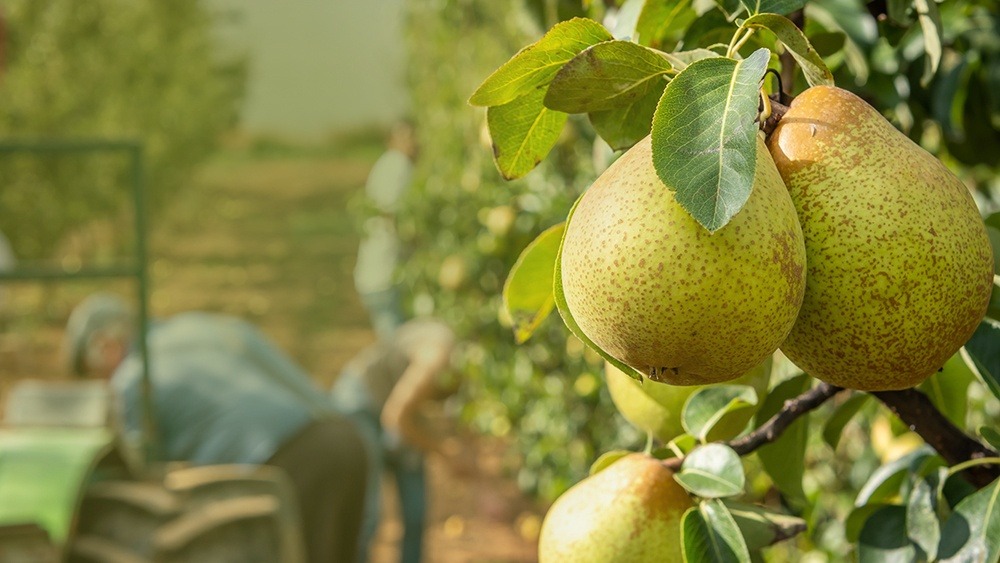
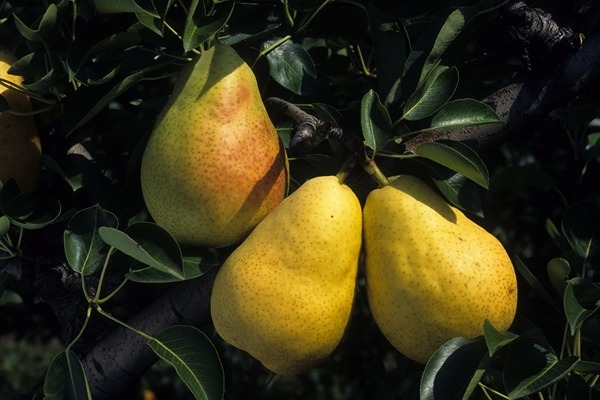
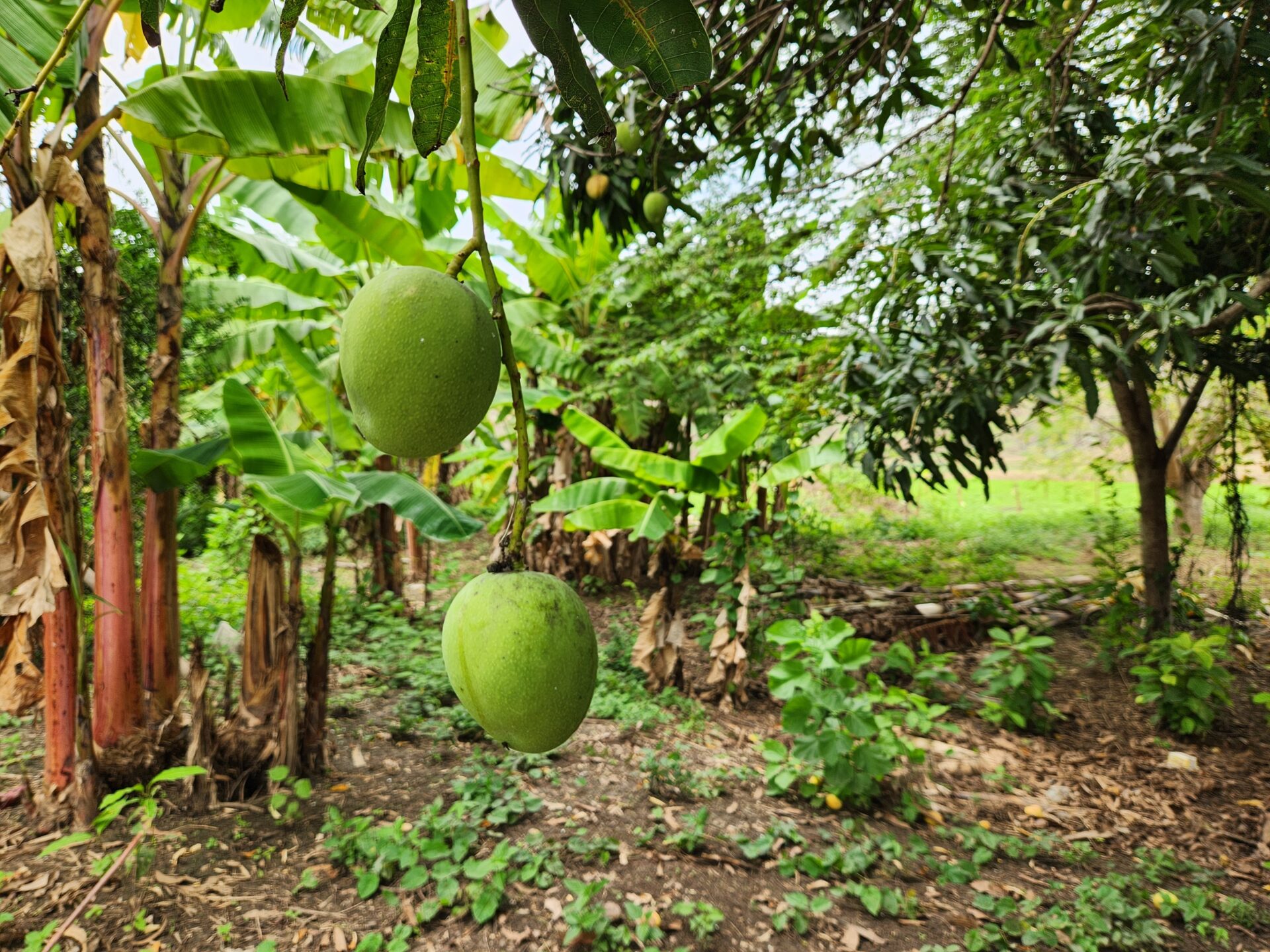
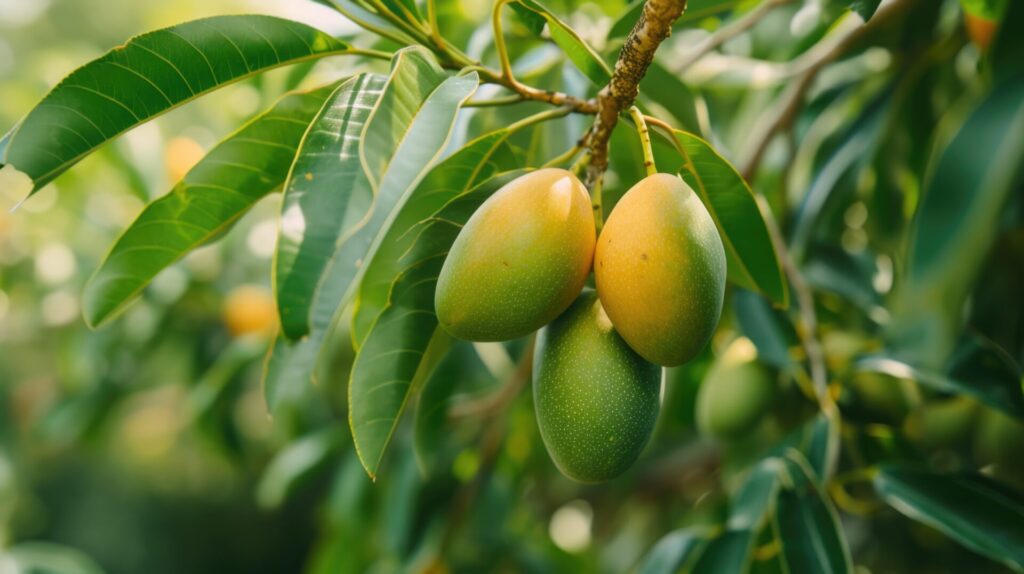
In addition to the raspberry industry in Serbia, we also support the mango industry in India and our blackcurrant, white peach, and pear producers in France.
« It is important to remain humble and attentive to our suppliers. Every producer and plot of land has its own unique circumstances, requiring different approaches. This is very much a long-term effort. »
Guillemette d’Anterroches, Agronomist buyer