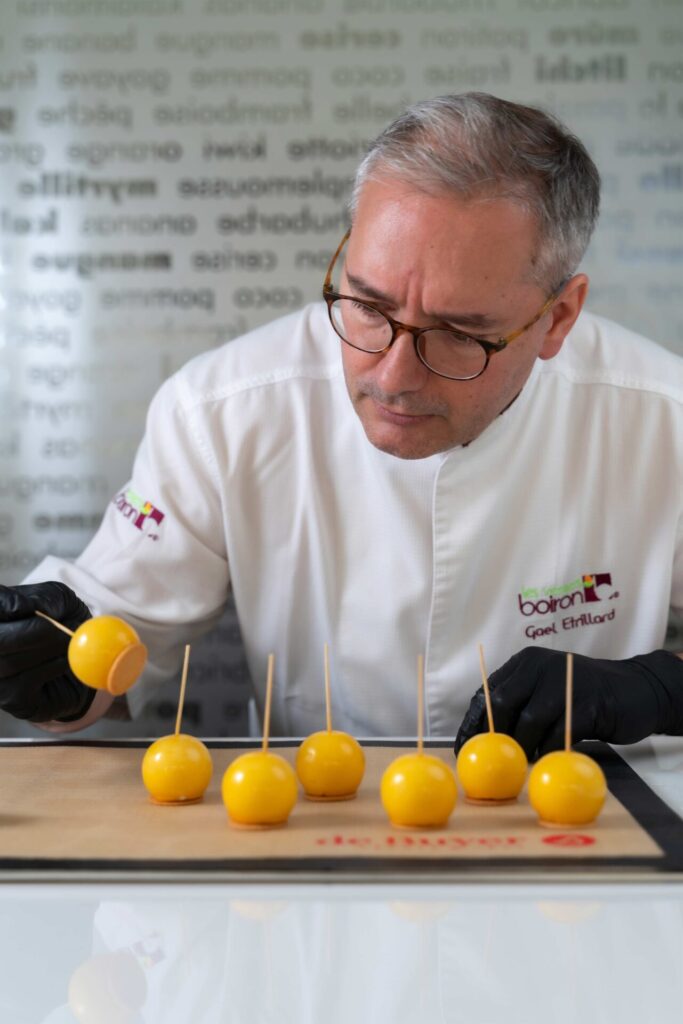
Gael Etrillard - les vergers Boiron
Les vergers Boiron

Fruitology®, the science of fruit aromas

Fruitology® is a discipline dedicated to the study of fruit and its transformation into purée, addressing its historical, scientific, and gustatory aspects. It allows us to create a true sensory identity card for each fruit purée, identifying and precisely describing its unique aromas and flavors. This approach not only provides a better understanding of the organoleptic characteristics of purees, but also optimizes their analysis for a more refined and objective tasting experience. In this article, discover the methods and tools used to break down aromatic notes and explore the sensory universe of fruit purees.

Aromatic notes in fruit purees: a sensory journey to the heart of flavors

Fruit purees are much more than just food products: they are a true concentrate of sensations and flavors. To understand and describe these sensations, experts have developed precise tools for objectively assessing aromas and tastes. These tools are based on detailed sensory analysis, which has enabled the creation of a catalog of aromatic descriptors. Thanks to these descriptors, we can not only break down the flavors of a fruit puree, but also classify them into families and refine our perception of each product.

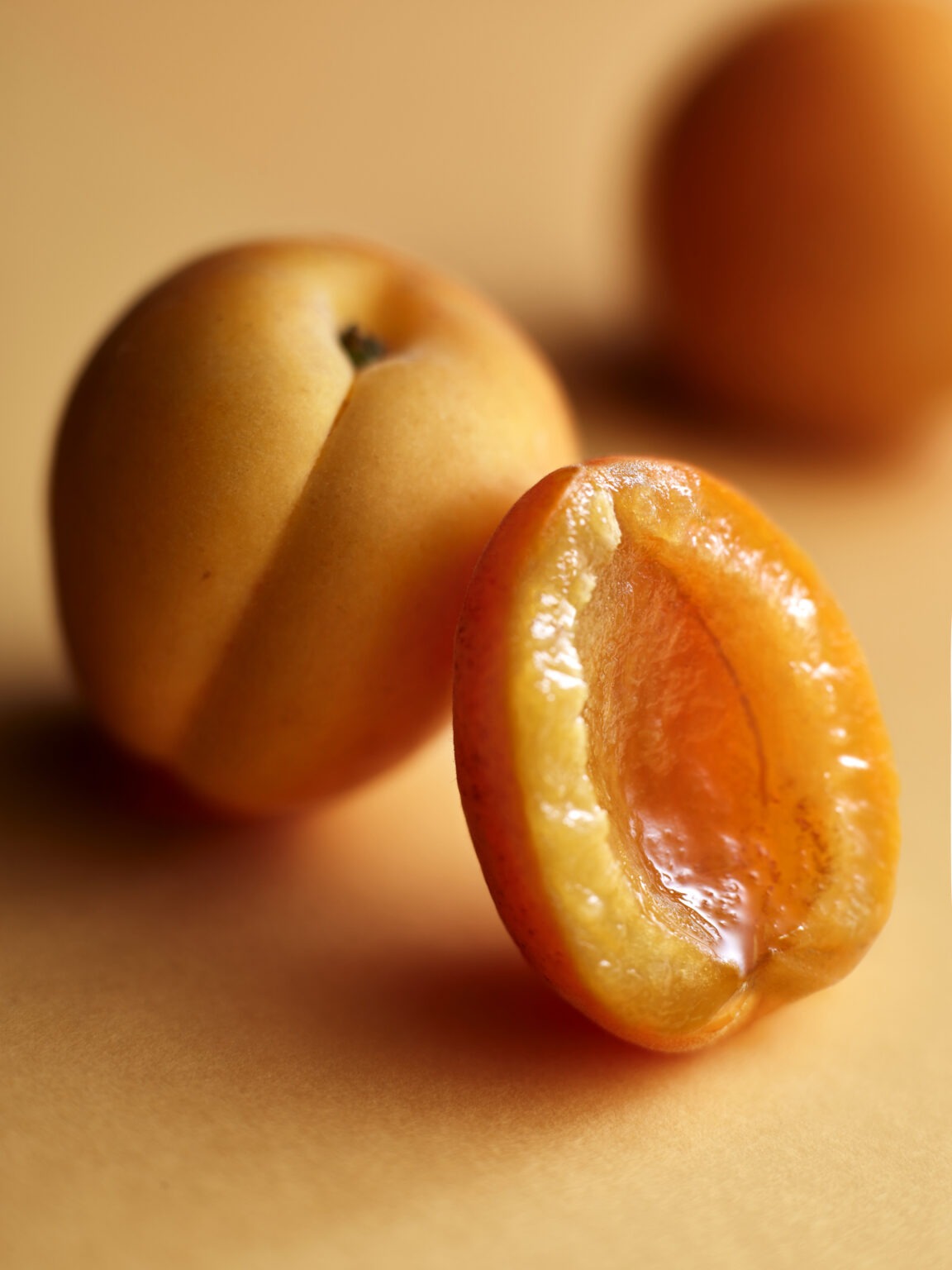
Les vergers Boiron - recette - abricot
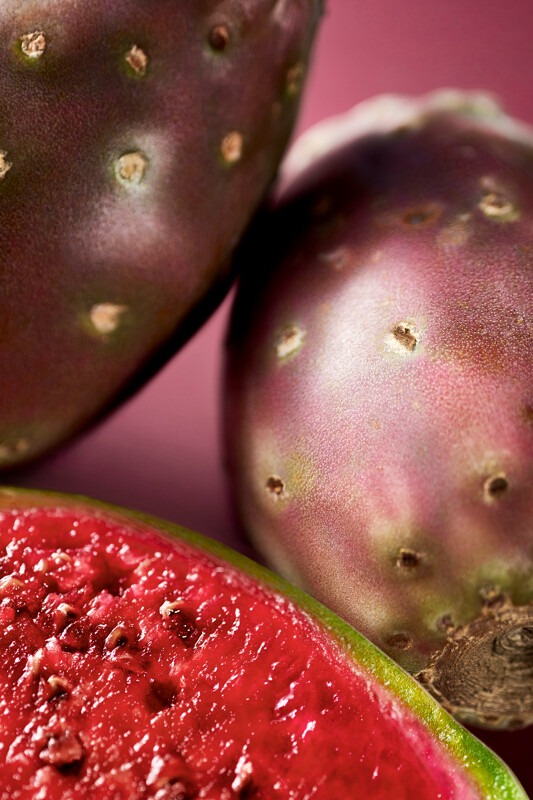
Les vergers Boiron - Figue De Barbarie

What are aromatic notes?

Aromatic notes are the elements that define the taste, smell, and flavor of a fruit purée. They allow us to identify the subtle nuances that emerge when a fruit is tasted. Aroma, flavor, and smell are subjective sensations: they therefore vary according to personal sensitivity and experience. However, by using standardized descriptors, professionals can minimize differences in interpretation and establish a common basis for tasting.

Les vergers Boiron

The funnel method: identifying aromatic notes

To identify an aromatic note, tasters follow a multi-step methodology. When the aroma of a fruit purée is easily identifiable, it can be named directly (e.g., “lemon” or “rose”). However, when the perception is more vague, tasters apply the funnel method. This method involves gradually narrowing down the possibilities, starting with broad aroma families (such as “floral” or “fruity”) and then refining the identification to arrive at a specific note (e.g., ‘rose’ or “violet”).

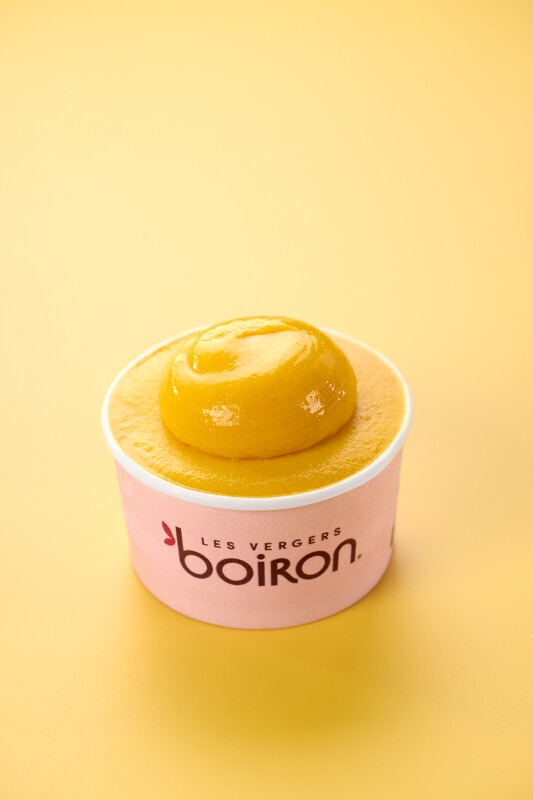
Les vergers Boiron Sorbet Mangue Ananas Fruit De La Passion

The aroma wheel: an essential tool for tasters

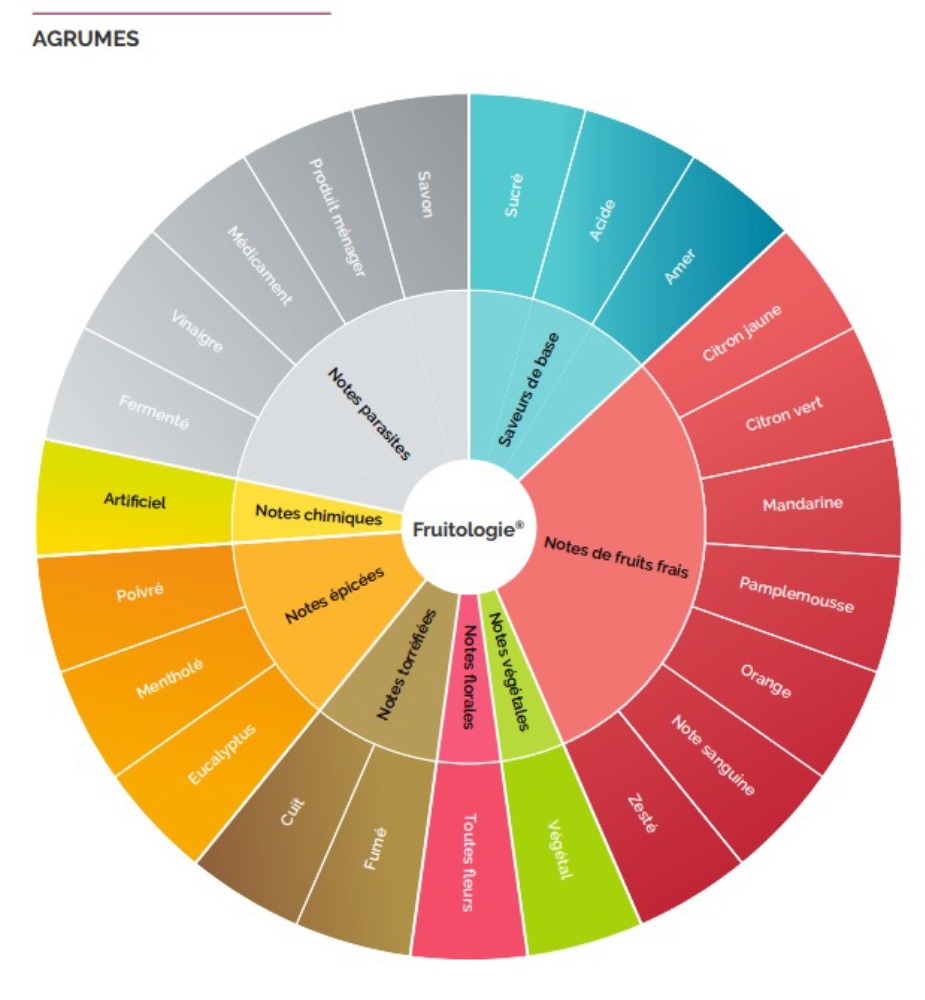
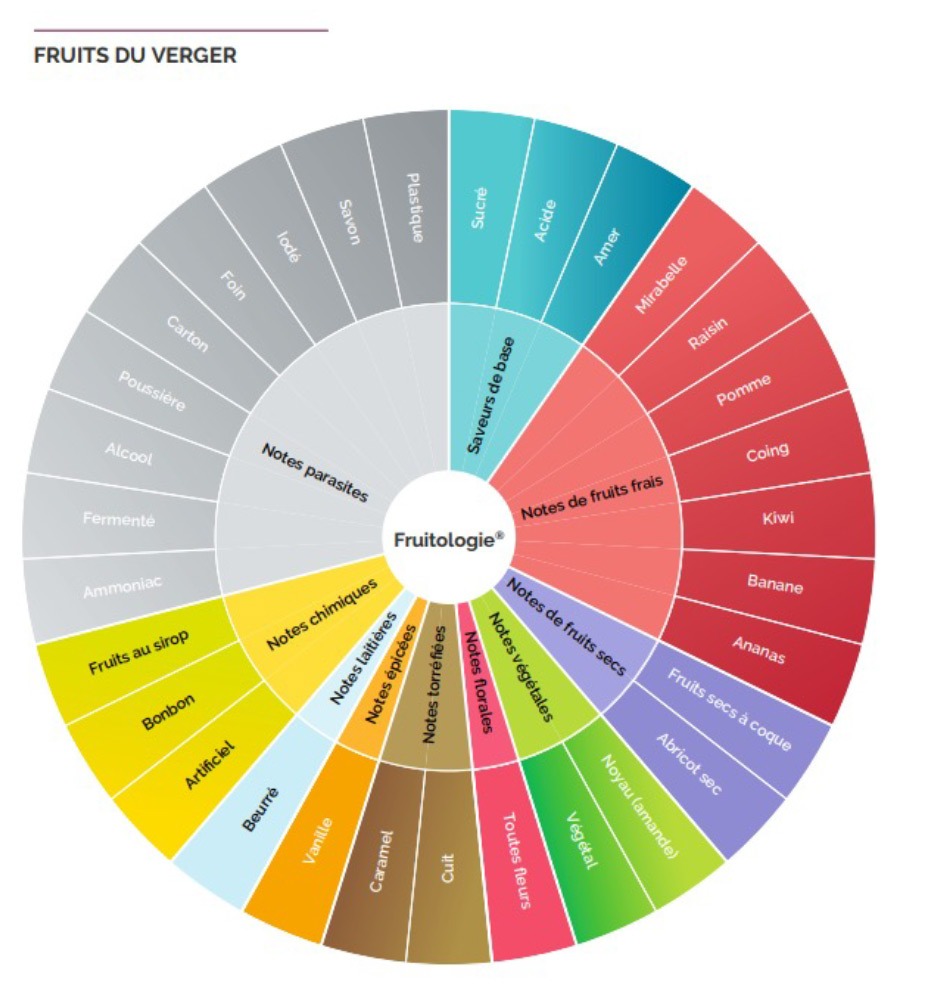
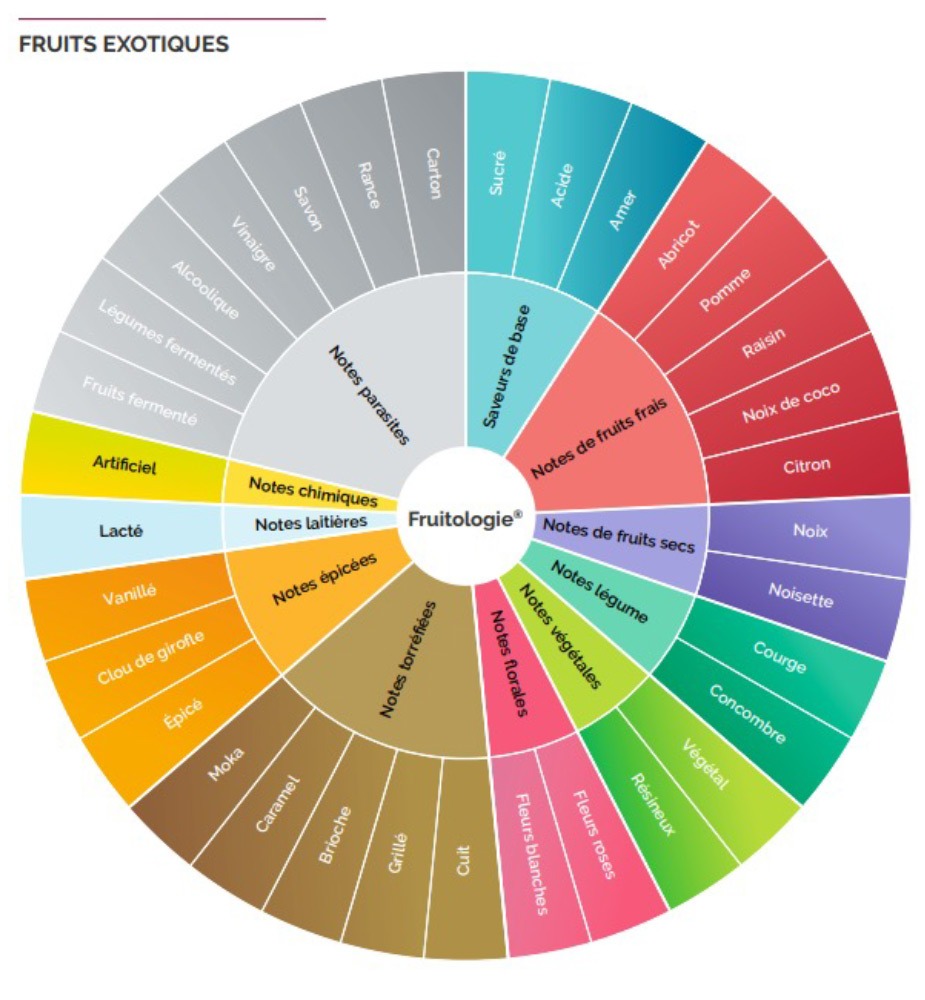
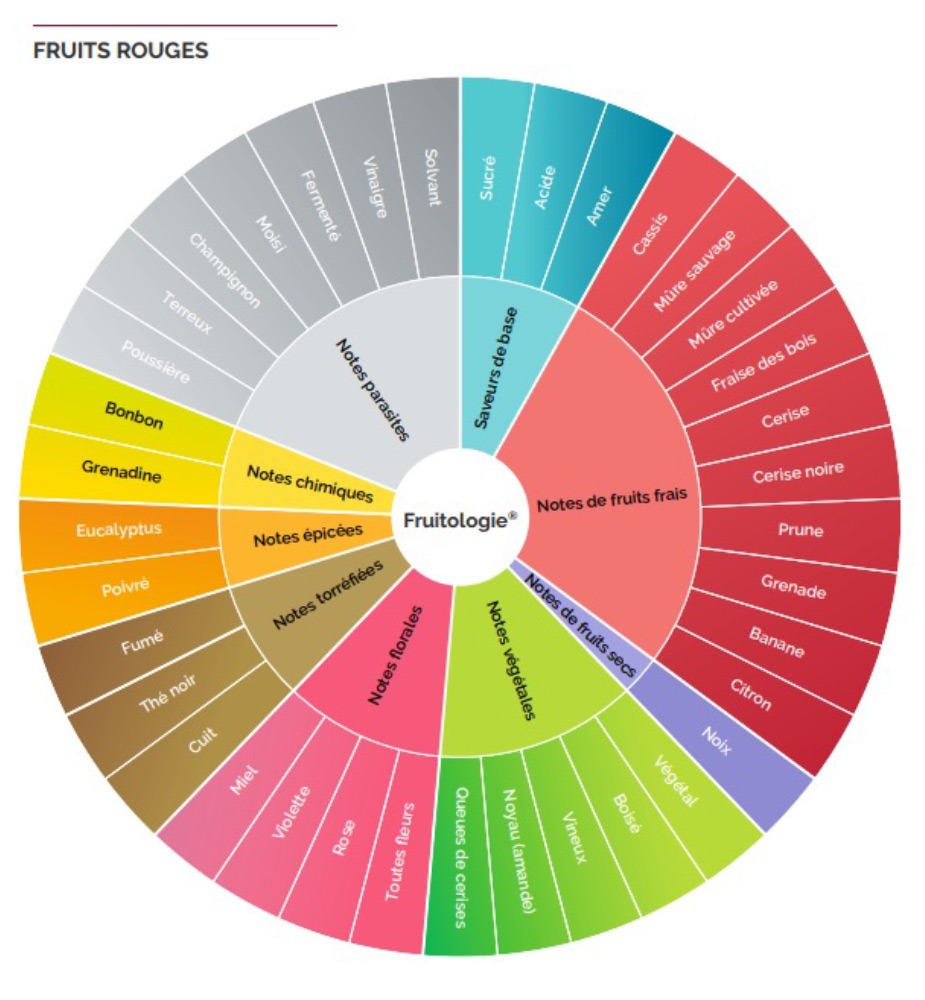
The aroma wheel is a key tool for anyone tasting fruit purées. It groups aromatic descriptors into families (fruit, flowers, spices, etc.), providing a detailed map of the aromas to be identified. This wheel allows you to visualize all the aromatic notes present in fruit purées and makes them easier to recognize.

Fruit families and their characteristic flavors


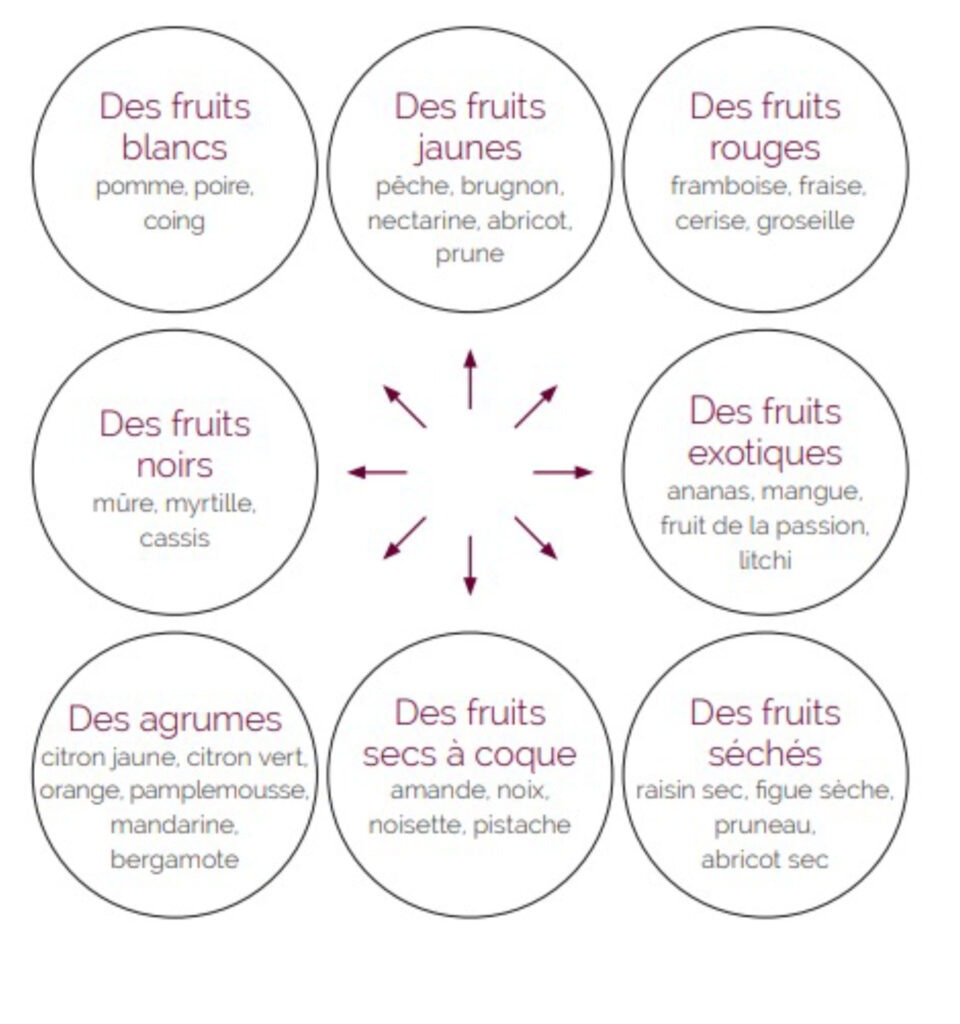
Each fruit purée can be analyzed through the prism of aroma families. These families group together similar aromas and guide the taster in their sensory analysis.

Les vergers Boiron
Les vergers Boiron
Les vergers Boiron
Les vergers Boiron

Fruity Notes: A Palette of Infinite Nuances

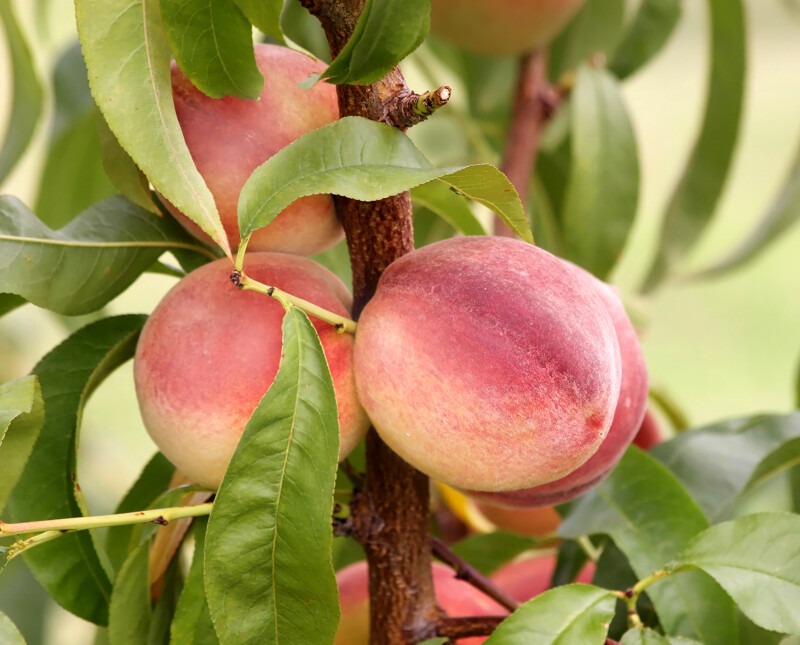
One distinctive feature of fruit purées is that they can sometimes reveal notes of fruits other than those used to make the purée. For example, a white peach purée may evoke notes of mirabelle plum. When faced with such an identification challenge, the taster begins by applying the funnel method to determine the family to which this note belongs. They then refine their search to arrive at a more precise identification.

Les vergers Boiron

The Impact of Maturity Level on Aromas

The ripeness of the fruit plays a fundamental role in the intensity and quality of the aromas. When a fruit reaches full ripeness, its sugar content is optimal, allowing the primary aromas of the fruit to be revealed. Purees made with ripe fruit therefore release more intense and balanced aromas.

On the other hand, if the fruit is too young, acidic and vegetal notes may dominate, resulting in a less developed and sometimes bland perception. Conversely, overripe fruit can lead to fermented notes, altering the freshness and quality of the aromas. Thus, the ripeness of the fruit influences not only the sweetness intensity, but also the overall balance of the fruitiness perceived in the purée.

Les vergers Boiron - pêche blanche