
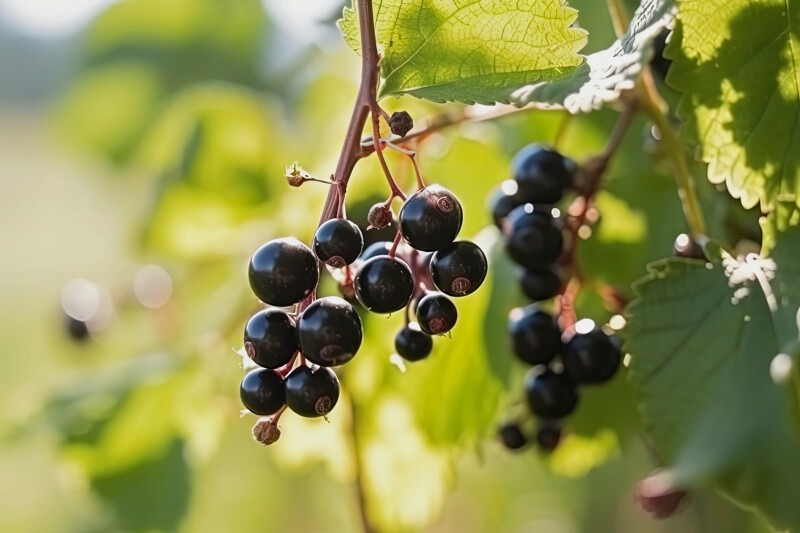

The culture of Cassis
Blackcurrants, renowned for their rich aroma, are grown in various regions around the world. Today, we take you on a journey to discover how this small black fruit is grown around the world, how it is produced in France, and the challenges it faces.
Blackcurrants around the world: cultivation, varieties, and production
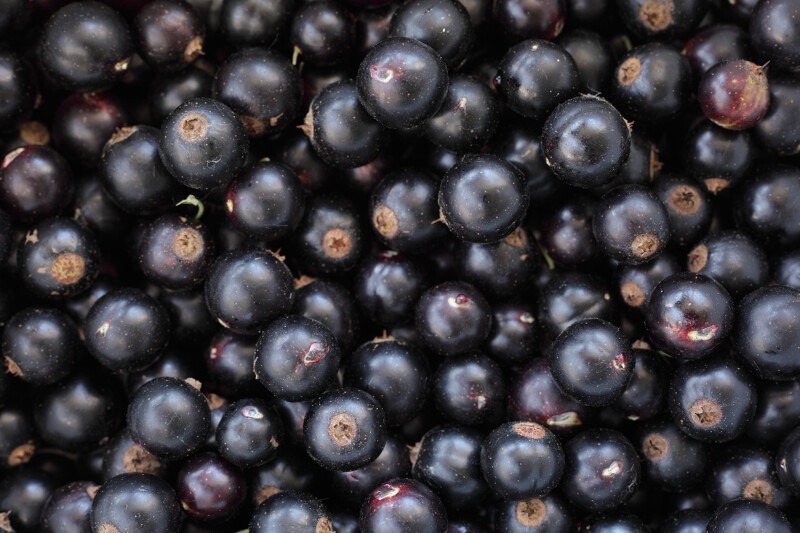
Although blackcurrants originate in Europe, they are grown in many regions around the world. Russia is the leading producer of blackcurrants, with an annual production of over 300,000 tons, an impressive figure that places the country far ahead of its competitors. In Europe, Poland is the leader, with over 130,000 tons produced each year, followed by the United Kingdom, which produces 12,000 tons. France ranks third in Europe with 7,000 tons of blackcurrants produced annually, a volume well below that of the top two producers, but still significant in the context of blackcurrant cultivation in Europe.
Blackcurrants in France: a tradition dating back to the 18th century
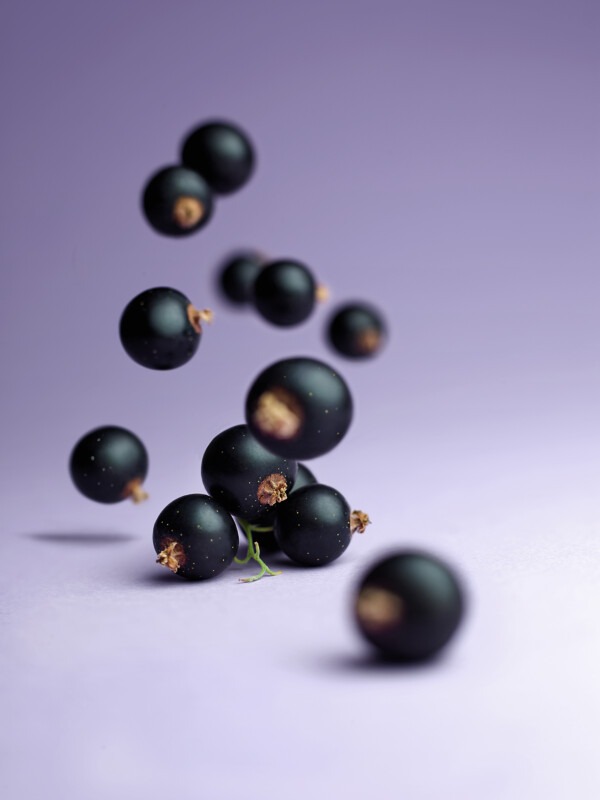
Blackcurrant cultivation in France dates back to the 18th century, after an abbot published a book on the virtues of this fruit, thereby popularising its cultivation. Although blackcurrants are grown for fresh consumption, they are also highly sought after for the production of blackcurrant liqueur, used to create the famous Kir, an iconic cocktail in French gastronomy.
The main blackcurrant-producing regions in France are the Pays de la Loire, Burgundy, Oise, Drôme and Ardèche, areas that are particularly suited to growing this fruit. The Pays de la Loire remains the most important region for this crop, thanks to its favourable climate and soil.
Our purchases from Cassis, a long-term partnership
At Les Vergers Boiron, we prioritise direct purchases from producers. Around 60% of our blackcurrant purchases are made directly from growers, while the remaining 40% come from cooperatives. Our supplies are spread across four production areas in France: Pays de la Loire, Burgundy, Oise, Drôme and Ardèche.
We have long-standing commercial relationships, particularly with the Drôme and Ardèche regions, with partnerships dating back more than 15 years. Our multi-year purchasing contracts aim to support the blackcurrant industry in France, in an eco-responsible and sustainable approach, and we also subsidise research to improve cultivation and yields for producers.

The blackcurrant bush: a hardy but fragile shrub
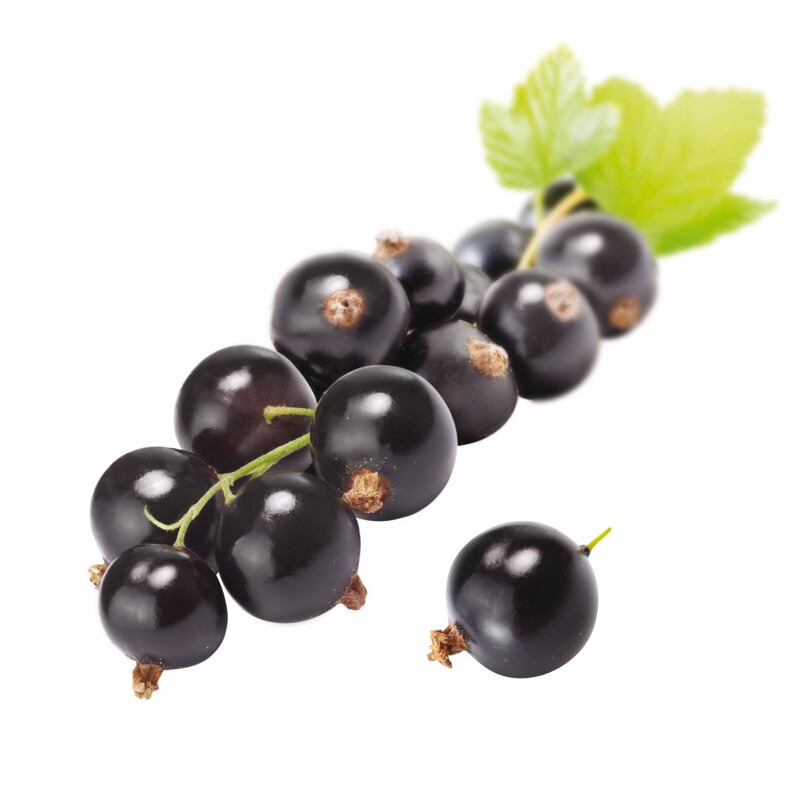
The blackcurrant bush is hardy, but does not like extreme temperatures. In France, the main varieties are Noir de Bourgogne and Black Down. It generally takes between two and three years for a blackcurrant bush to start producing its first fruits. Each shrub can be harvested for 12 to 15 years, but it needs to be pruned regularly to remove dead wood and ensure an optimal harvest.
Blackcurrant bushes are relatively resistant to disease, but their shallow roots make them vulnerable to competition from weeds, particularly for access to water. Previously grown without irrigation, watering is now essential in certain regions, particularly in Burgundy.
Blackcurrant harvesting: timing is crucial
Blackcurrants are harvested between late June and early July, over a very short period, and must be picked accurately and quickly. If the fruit is picked too early, it will be astringent; if it is harvested too late, it will fall to the ground and become unusable. To maximise productivity during this intense harvesting period, harvesting machines are used.
Once harvested, the fruit must be cooled quickly to preserve its colour and texture. This ensures that the final product remains true to the expected quality.
After harvesting, a process of freezing and packaging
The fruit harvested near our sorting centre in Chanas is immediately transported to our facilities to be frozen and then sorted. Fruit from more distant regions is frozen directly on site, then shipped to our centre to be sorted and packaged in bags. These bags are then shipped to our production site, where the blackcurrant pulp is recycled in a methanisation plant.
Supporting the blackcurrant industry to guarantee quality
The cultivation of blackcurrants, whether in France or elsewhere, is a real challenge in the face of climatic uncertainties and agricultural problems. However, thanks to long-term partnerships and a commitment to preserving this industry, we strive to guarantee high-quality products that are grown using environmentally friendly agricultural practices. With its rich flavours and versatility, blackcurrants continue to play a key role in the world of processed fruits and remain a pillar of culinary innovation and gastronomic creations.