


The mango is now one of the most widely enjoyed tropical fruits in the world. Behind its sweet taste and intense aroma lies a more complex reality, where terroir, growing conditions, harvesting practices and ripening methods all directly shape the fruit’s final quality.
Understanding the mango therefore means going beyond simply tasting it, and appreciating the many subtle factors that define its character.
Demanding growing conditions
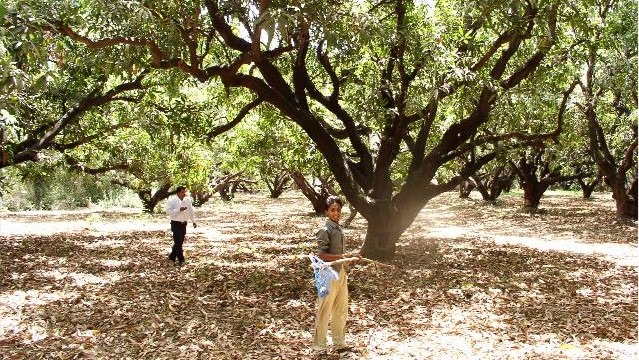
Mango quality is largely determined by its growing environnement. Indeed, mango trees require well-drained soils and temperatures between 23°C and 27°C to produce high-quality fruit. These conditions allow the mango to fully develop its aromatic and flavor potential.
However, mango production requires time and patience. It typically takes between 3 to 5 years for a tree to produce its first fruits, and up to 30 years to reach full production capacity. In addition, the ripening cycle is long, with around 120 days between flowering and harvest.
This natural constraints contribute to the mango’s rich aromatic profile, while also making its cultivation particularly demanding.
India, the heartland of the mango
India is at the very center of global mango production. As the world’s leading producer, it accounts for roughly 42% of total output and is home to over 1,000 varieties.
Among this exceptional diversity, a few stand out for their superior quality. Les vergers Boiron has selected two key varieties for its blends: Alphonso and Kesar.
In India, the mango is far more than just a fruit—it is part of everyday culture and culinary identity, much like the apple in France.
A precise, skill-based harvest
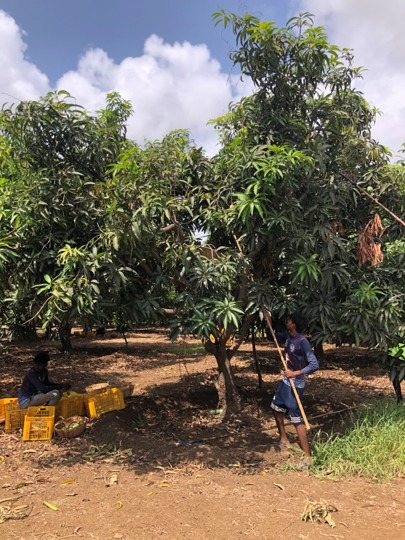
Mango harvesting relies on highly skilled techniques designed to preserve fruit quality. Each fruit is picked by hand using a pole equipped with a net and cutting blades, allowing the stem to be severed cleanly without damaging the fruit.
Selection follows strict visual criteria: mangoes are harvested while still green, but fully developed in shape. These signs ensure proper ripening after harvest and help maintain the fruit’s full aromatic potential.
The role of ripening in mango’s aroma profile
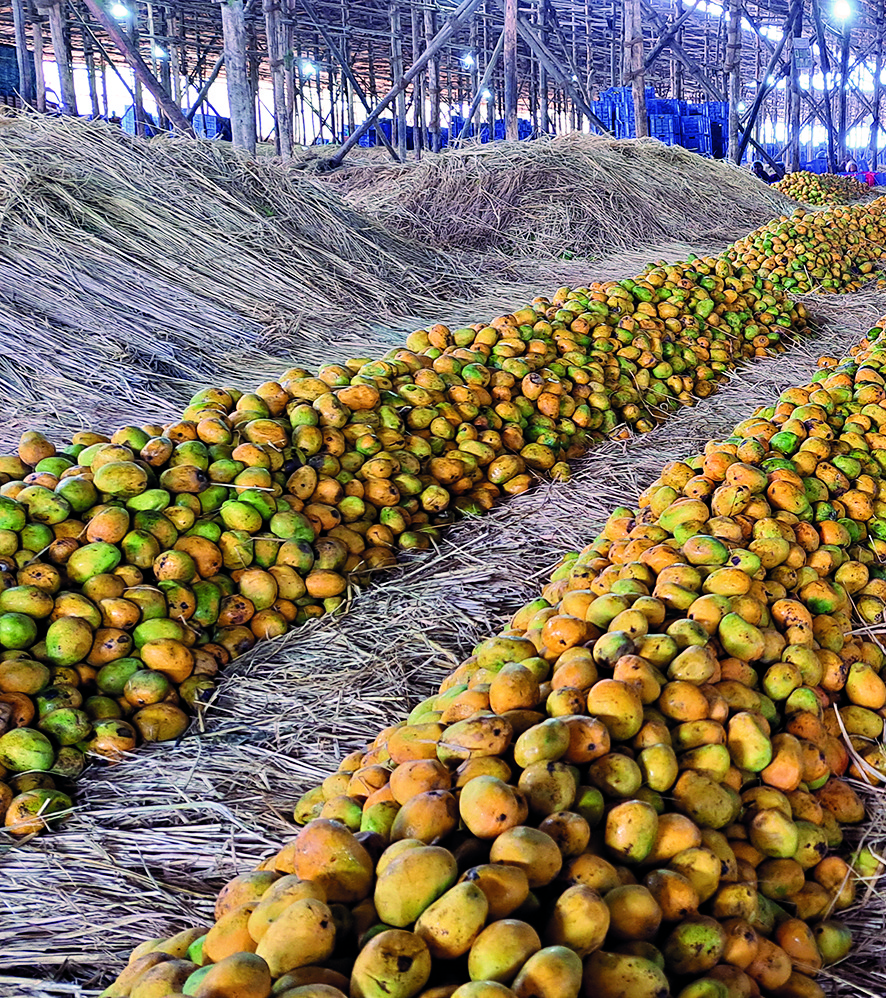
One of the mango’s key characteristics is its ability to ripen through ethylene, a natural gas it produces on its own. Among suppliers, around 70 to 75% of mangoes are allowed to ripen naturally under straw, while the remainder undergo controlled ethylene treatment to accelerate the process.
Choosing the right ripening method is therefore a strategic step in preserving the mango’s overall flavor quality.
Ecojiva : transforming the mango supply chain for long-term sustainability
In response to growing environmental and agricultural challenges, the mango industry is evolving. The Ecojiva project, developed by Les vergers Boiron in India, aims to drive long-term transformation in mango production by working directly on the ground.
Located in the heart of Alphonso and Kesar growing regions, the initiative brings together hundreds of growers, several intermediaries, and four local processing facilities.
Its goal is clear: to structure a still-fragmented supply chain while ensuring consistent fruit quality in a context shaped by climate change, soil degradation, and intensive pesticide use
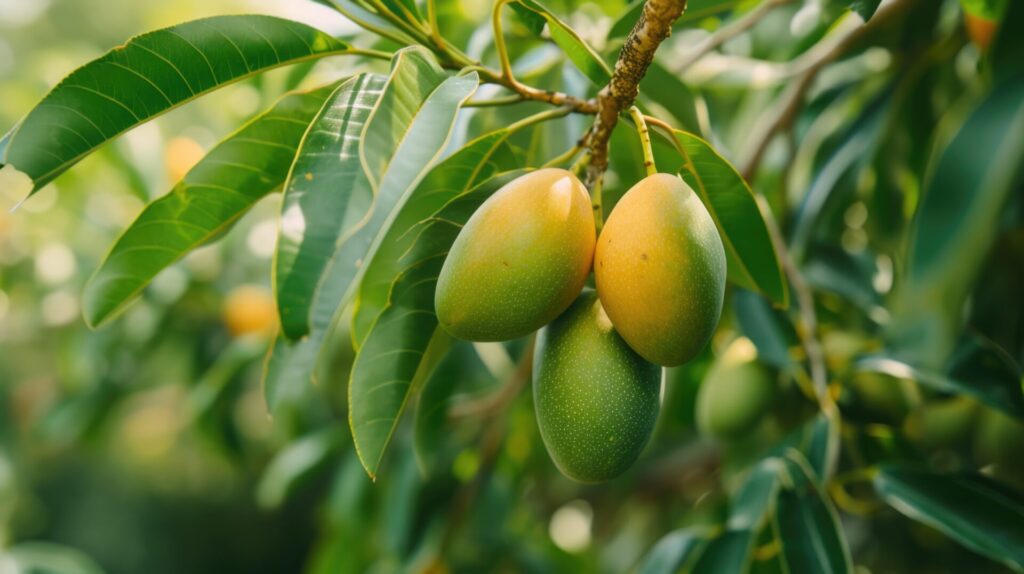
Towards a more sustainable and responsible mango supply chain
A 2024 assessment conducted with Biosphere revealed highly contrasting agricultural practices: while some older orchards are carefully preserved, newer plantations are often subject to significant stress, intensive soil management, and high input use.
To address these challenges, Ecojiva supports several pilot farms over the long term. The measures implemented are concrete and field-based: improving soil health, enhancing biodiversity, reducing pesticide use, introducing cover crops, and testing more natural farming practices.
The project also promotes the upskilling of local technicians, strengthens farm-level traceability, and helps spread best practices across the entire supply chain.
Preserving the mango flavor through a committed industry
At the core of this approach lies a clear objective: preserving the true taste of the mango. The blend of Alphonso and Kesar varieties—Les Vergers Boiron’s signature—relies on a delicate balance between the sweetness of one and the spicy, saffron-like notes of the other.
This aromatic balance is highly sensitive and directly influenced by growing conditions, harvesting practices, and processing methods.
Only a sustainable, structured, and long-term committed mango supply chain can ensure this level of flavor consistency, true to the identity of this exceptional fruit.