
Challenges in Ecuador’s banana sector
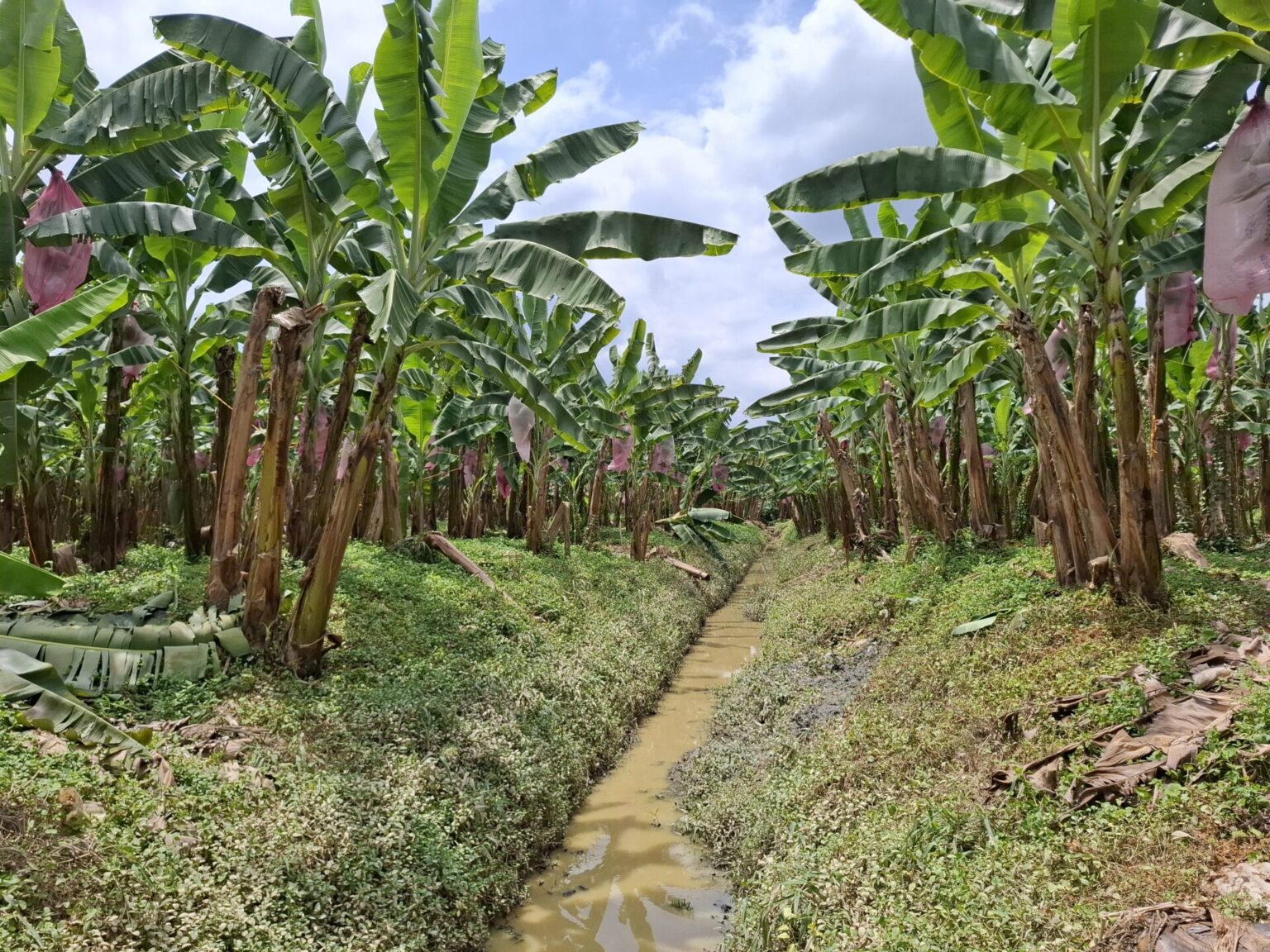
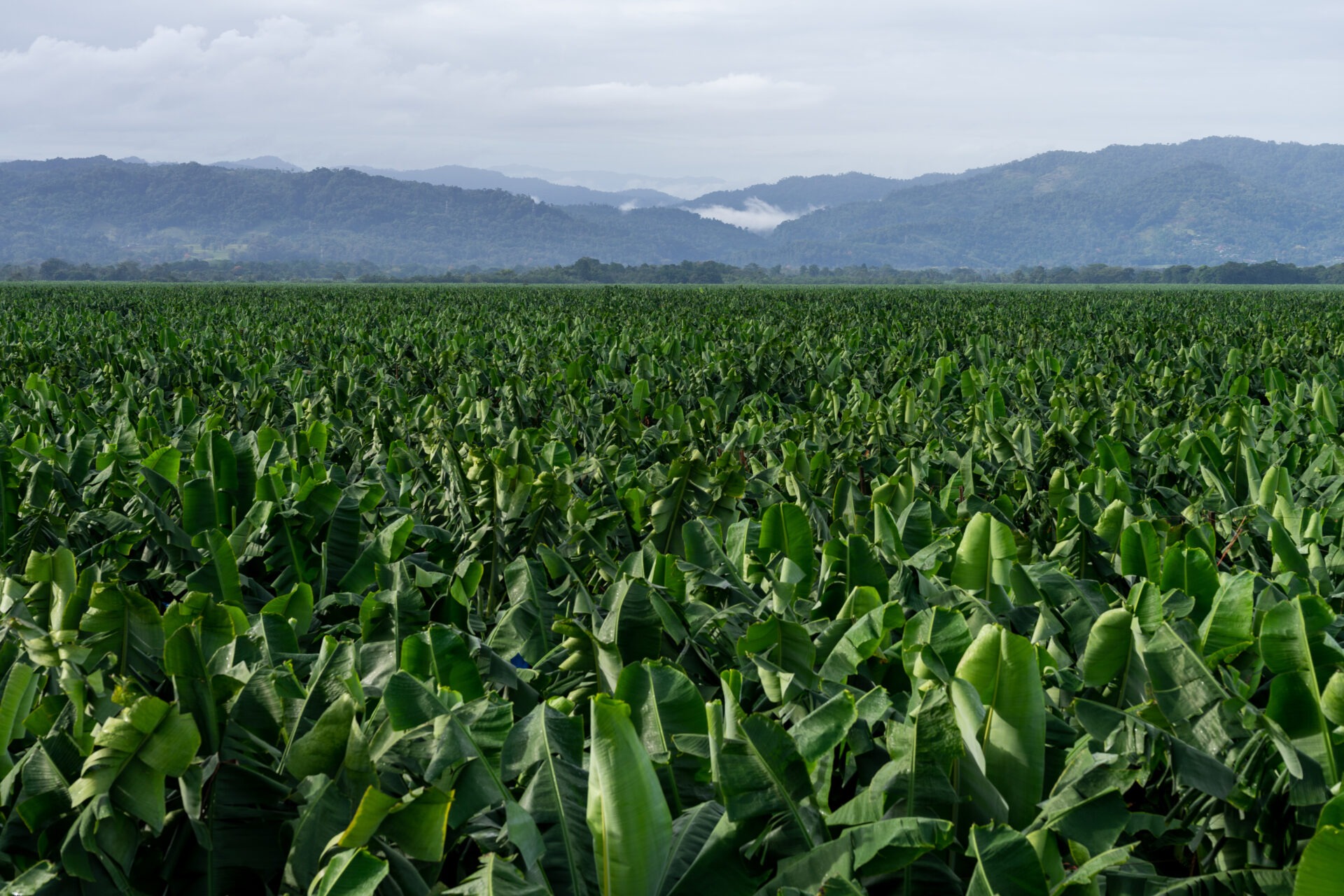
Since the “banana boom” of the 1960s, driven by ambitious public policies, Ecuador has significantly expanded its banana-growing areas. Today, production relies heavily on the Cavendish variety. While this simplifies cultivation, such genetic uniformity is also a major weakness: it leaves plantations highly vulnerable to pests and diseases, such as black Sigatoka, which can rapidly devastate entire farms.
To contain these threats, growers rely heavily on plant protection treatments, often applied through aerial spraying. This method leads to the uncontrolled drift of chemicals beyond targeted areas. Pesticides spread through the air, seep into soils, and contaminate water sources, with long-lasting impacts on local ecosystems. From a health perspective, communities living near plantations are unintentionally exposed to these substances, often without adequate protection.
Understanding the challenges to take action:
supply chain analysis at the heart of the approach
Aware of the environmental and social issues linked to certain agricultural production systems, Les vergers Boiron has implemented an in-depth supply chain diagnosis covering all its fruit sourcing. The objective is clear: to identify, assess, and prioritise the risks specific to each supply chain, taking into account their geographical origin. Developed in collaboration with the consulting firm BuyYourWay, this tool now serves as a key lever for managing fruit supply chains more sustainably, moving from observation to concrete, measurable improvement.
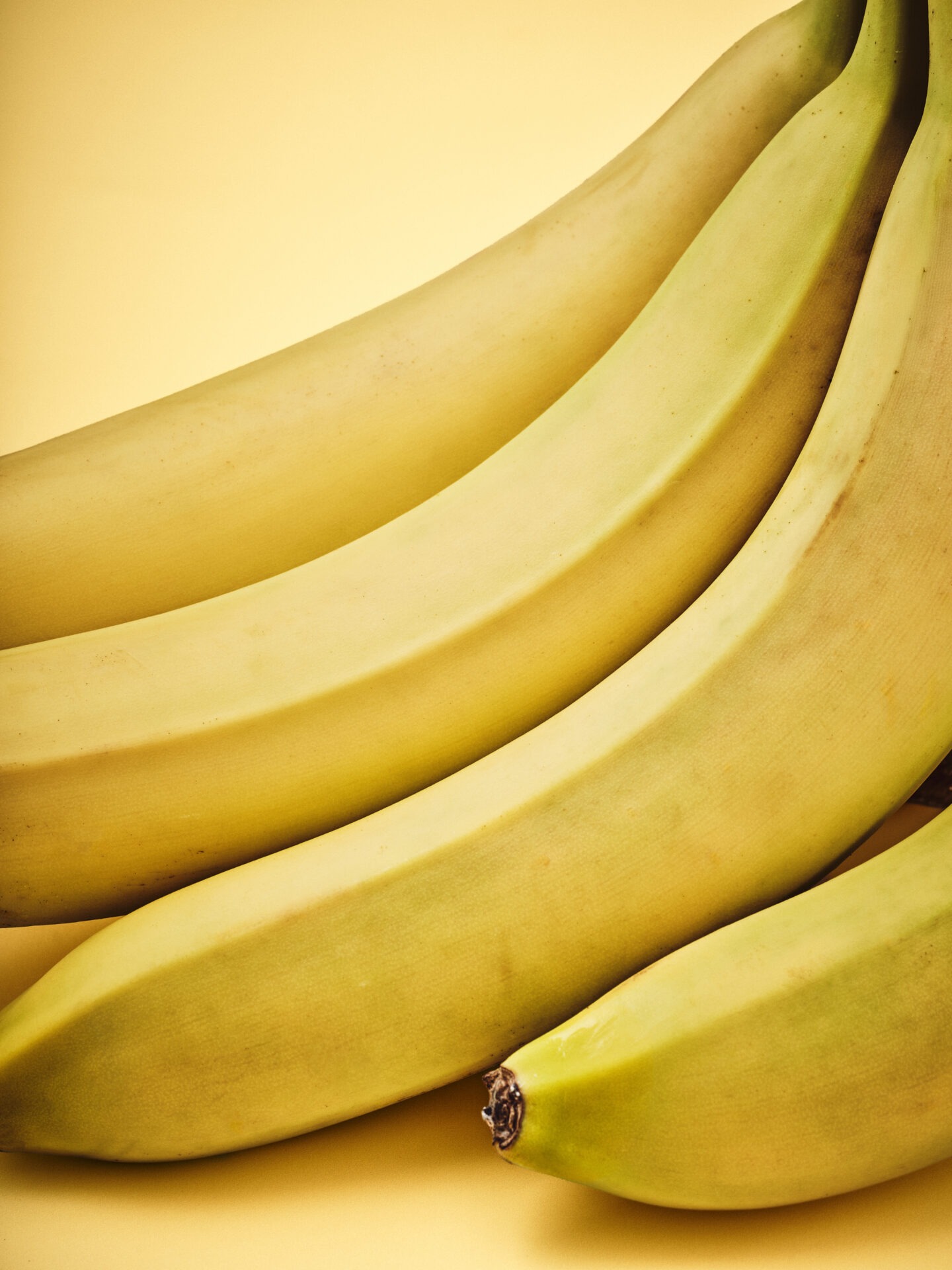
In the banana supply chain, the risks identified through this diagnosis have led Les Vergers Boiron to begin transforming its sourcing, progressively shifting from conventional bananas to certified organic and Fairtrade bananas. Together, these approaches provide strong guarantees at every link in the chain: for Les Vergers Boiron as a processor, for its clients (distributors), and for end users (chefs) as well as their guests (consumers), who are increasingly attentive to the origin and production conditions of ingredients.
To bring this transition to life, Les vergers Boiron work with a long-standing partner in Ecuador’s El Oro region, near Machala—a family-run business sourcing both conventional and organic bananas from over 180 plantations. Together with these teams, they visited a 172-hectare banana plantation employing 171 workers. This experience highlights both the complexity and the opportunities behind more sustainable sourcing decisions.
Fairtrade certification: a tool for social development in the field
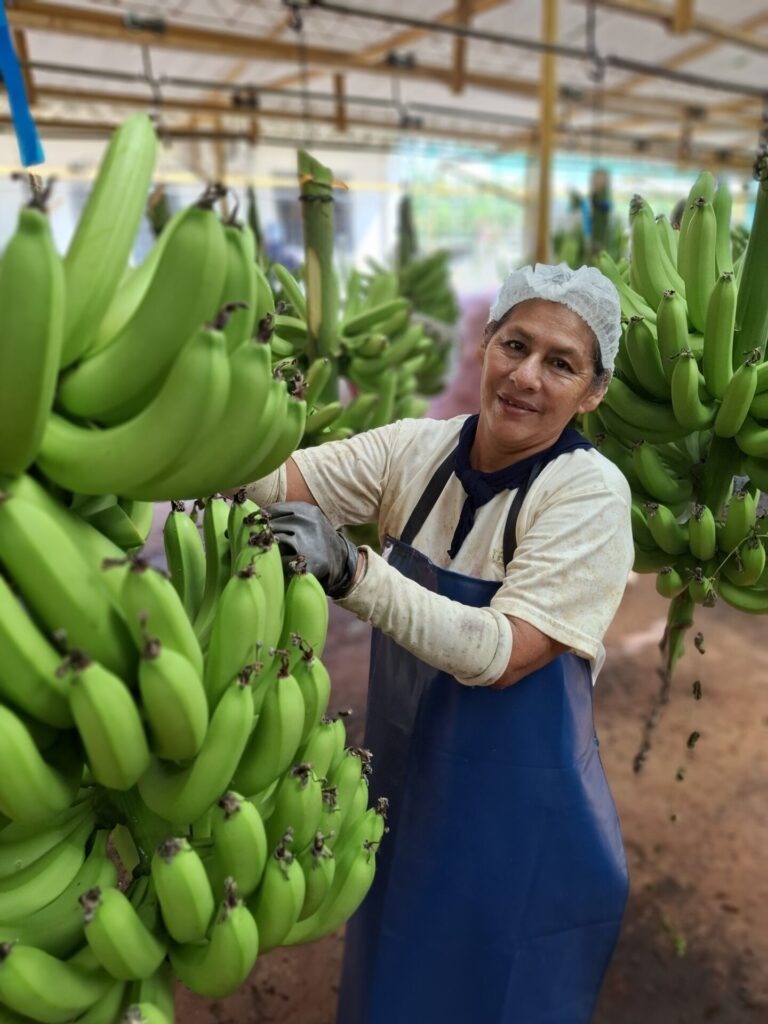
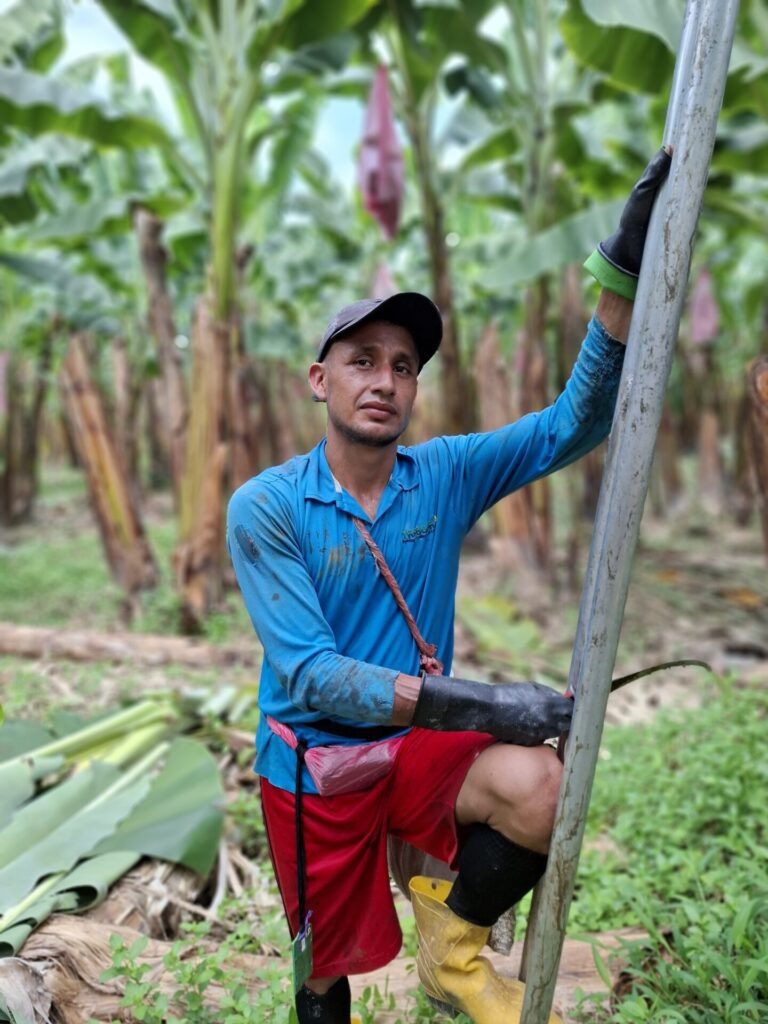
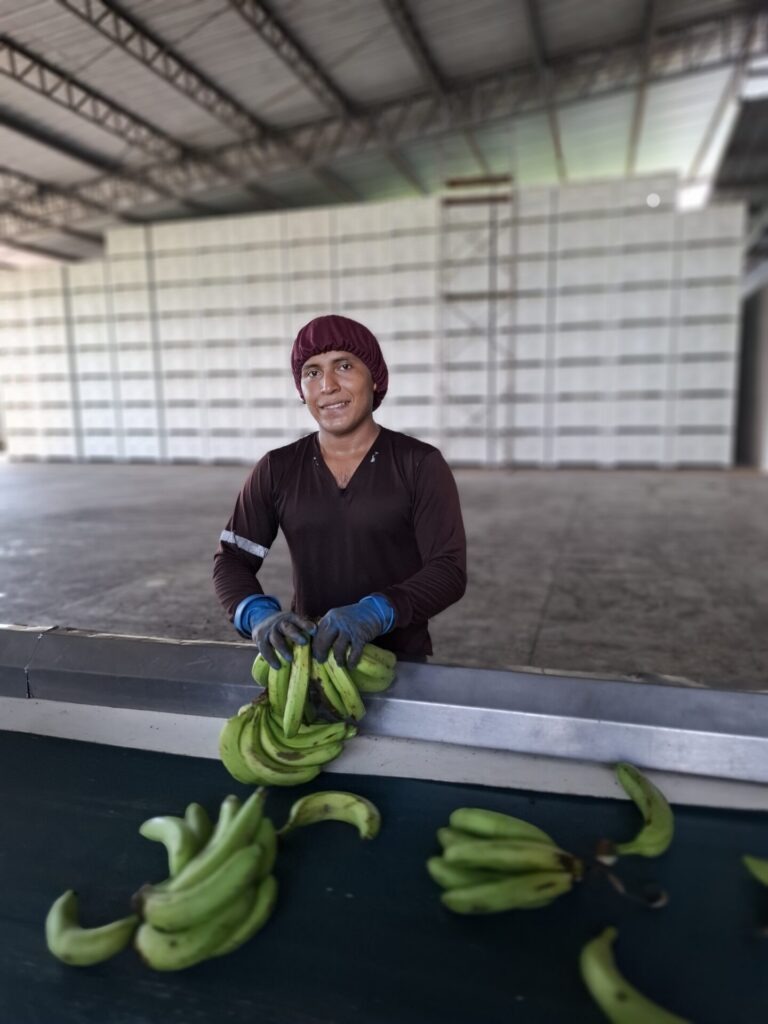
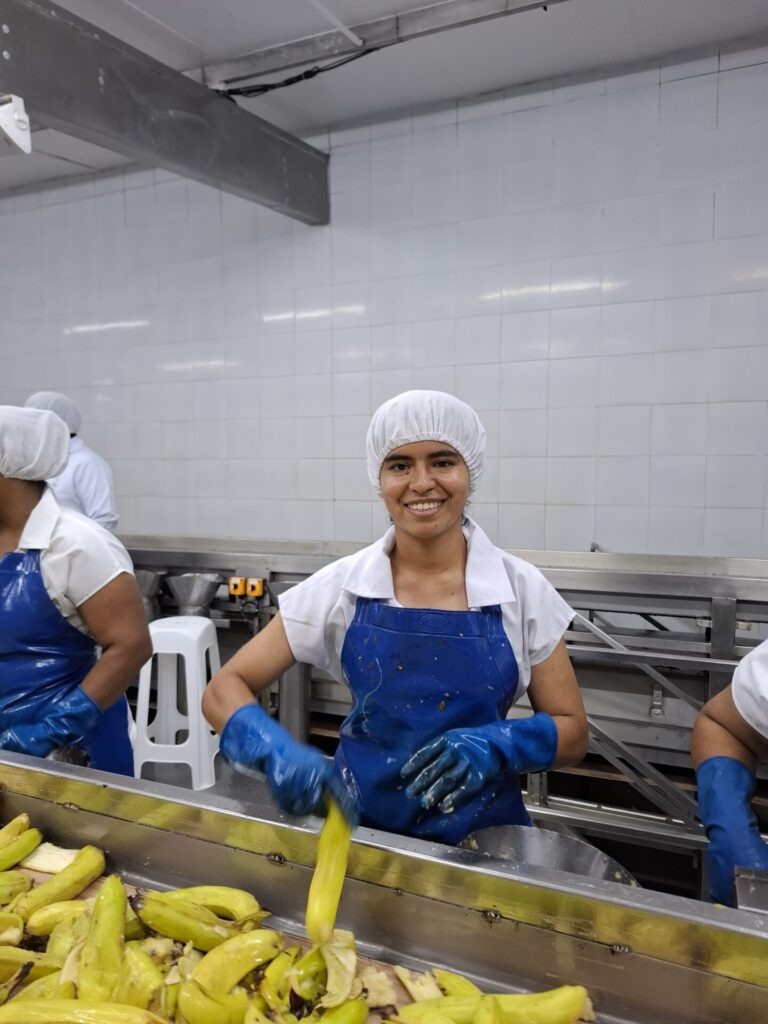
Anabel Portilla, Christian Vaskez , Aviles and Eva Mendoza
Fairtrade International certification, a leading fair trade label, aims to provide producers with more stable incomes and decent working conditions, while encouraging more sustainable farming practices.
At the heart of the system is a dedicated “Premium Committee,” bringing together representatives from producer companies and workers. Together, they decide how the Fairtrade premium is invested in concrete projects designed to sustainably improve living conditions in local communities. These initiatives address a wide range of essential needs:
- Education: school scholarships
- Access to finance: microcredit schemes
- Direct financial support: 20% of the premium distributed to workers
- Social assistance: support in cases of illness or accidents
- Improved living conditions: housing equipment and construction programmes
- Healthcare: funding of local facilities such as a pharmacy
- Governance: training for committee members, external audits, and administrative monitoring
« On the ground, the quality of interactions and the overall atmosphere made a strong impression on me. You can feel that the teams work in good conditions, with respect and attentiveness. It also shows in their attitude: people are engaged and at ease in their work. There is a real sense of collective momentum. »
Pierre Costet, Agronomic Buyer
Did you know ?
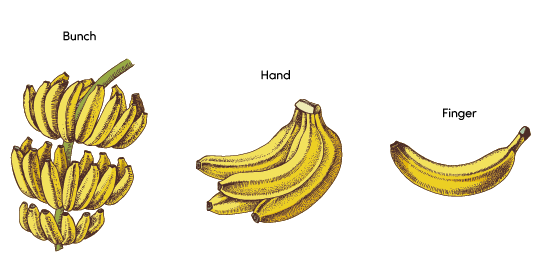
Discover more content ahead !
Want to learn more about Fairtrade and Organic banana farming in Ecuador and its sustainability challenges?
Log in or create an account to access your exclusive content.