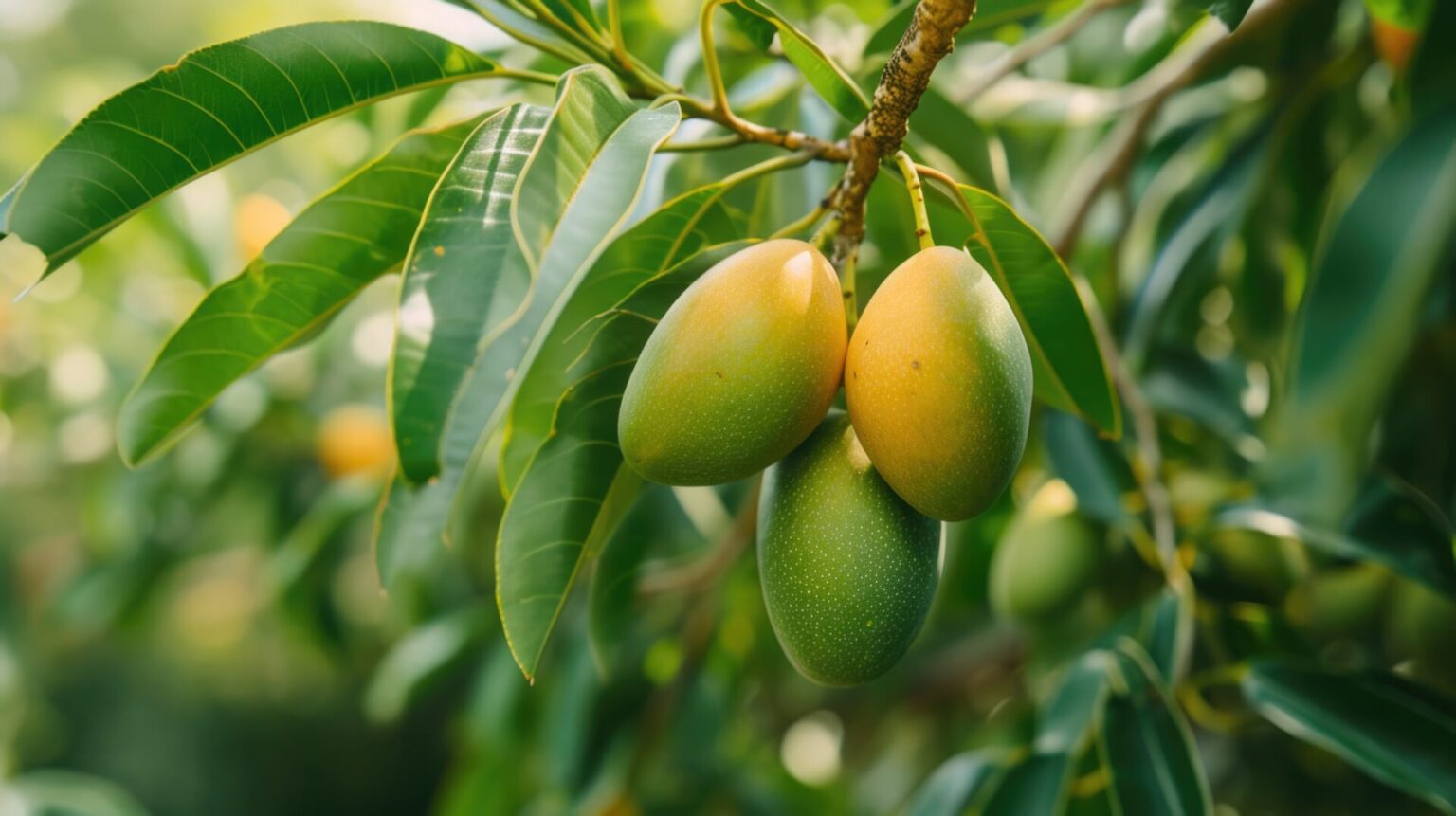

Recognizing that the environmental, social, and economic challenges facing the mango industry cannot be solved by any single stakeholder, Les vergers Boiron has launched the Collaborative Mango Action Group (CAG). This initiative aims to bring together all stakeholders across the mango value chain around a shared vision and collective actions capable of addressing the structural challenges threatening the industry’s long-term sustainability.
To support this ambition, Les vergers Boiron commissioned Earthworm Foundation – an NGO specializing in the sustainable transformation of agricultural supply chains – to conduct an in-depth feasibility study for the project. The assessment focused on the mango supply chain in the Kudal region, located in the Sindhudurg district of western India, one of the country’s leading production areas for Alphonso mangoes destined for processing.
This study marks the first phase of a broader initiative led by Les vergers Boiron: establishing a long-term collaborative framework that brings together growers, processors, traders, public institutions, and research organizations to drive the sustainable transformation of the mango sector.
An industry facing systemic challenges
Field consultations and data analysis identified five major, interconnected challenges across the mango value chain.
- Climate variability and production instability
Increasingly unpredictable weather patterns are significantly affecting yields, with production losses reaching up to 40% in some years. - Soil degradation and dependence on chemical inputs
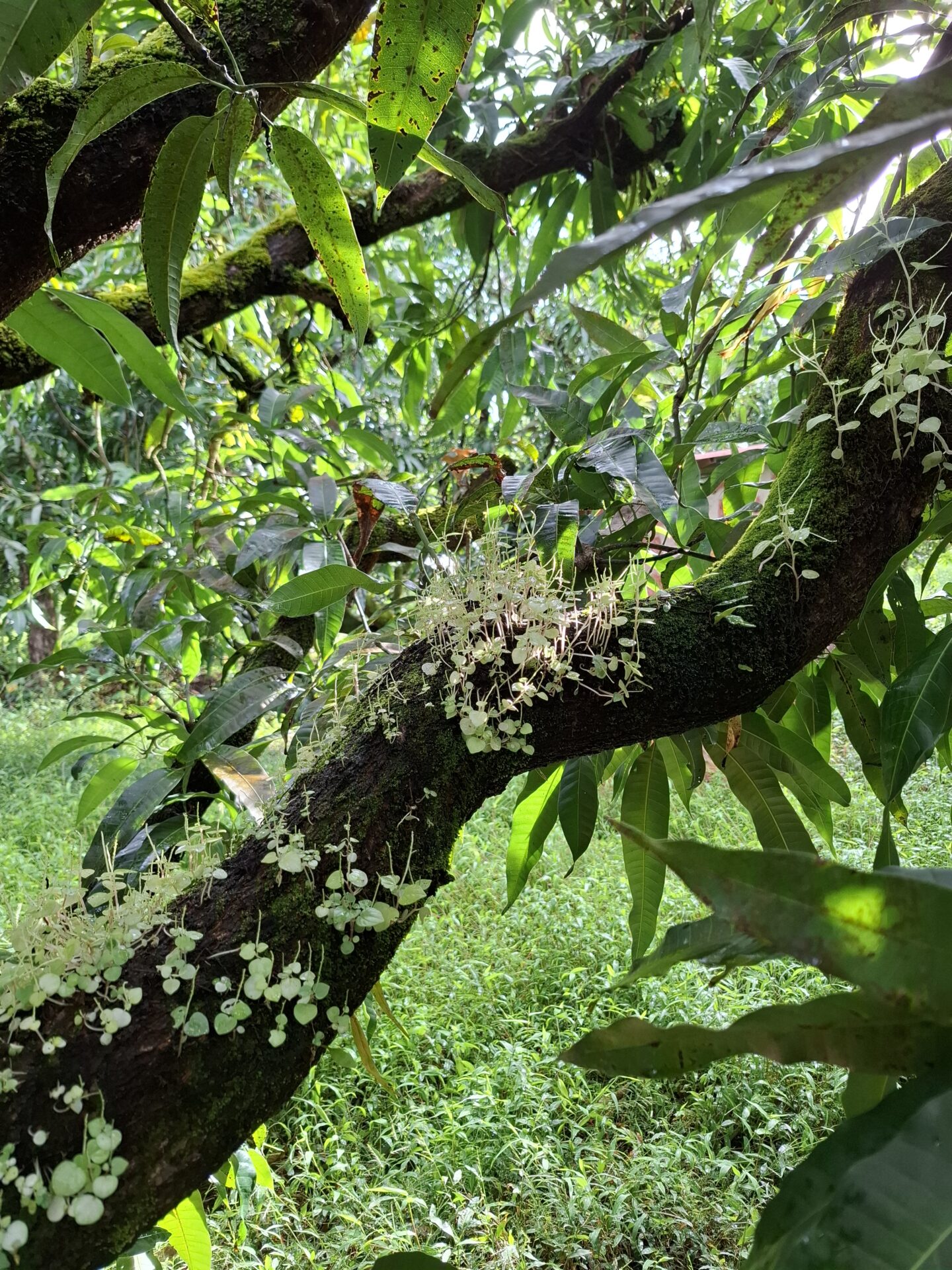
The intensification of farming practices has led to rising production costs, increased pest resistance, and the gradual decline of soil fertility. - Labor shortages, skills development, and workers’ rights
Growing reliance on migrant labor is placing additional pressure on the supply chain while raising important social and labor rights concerns. - Land constraints and limited generational renewal
Competition for agricultural land and the declining involvement of younger generations are limiting farms’ ability to invest in long-term development. - Governance gaps and limited institutional coordination
Insufficient coordination among public authorities, private-sector actors, and technical organizations is slowing the implementation of effective, industry-wide solutions.
Why Les vergers Boiron chose a collective approach ?
Given the interconnected nature of these challenges, Les vergers Boiron recognized that no single company, producer, or institution can address them effectively on its own.
A collaborative approach offers several key advantages:
- Sharing investments and reducing risks
- Developing common technical solutions
- Strengthening coordination across the entire value chain
- Creating aligned incentives throughout the sector
- Accelerating the adoption of proven sustainable practices
The Collaborative Mango Action Group : A platform for collective action
Initiated by Les vergers Boiron, the Collaborative Mango Action Group is designed to become a platform for dialogue, cooperation, and collective action within India’s mango industry.
Its objective is to move beyond isolated initiatives and build a coordinated response to the climate, social, economic, and institutional challenges affecting the sector as a whole.
While local initiatives already exist to help growers improve agricultural practices (such as the ECOJIVA project), these efforts generally remain focused at the individual farm level. Many of the industry’s most pressing challenges require broader, landscape-scale collaboration. The CAG has been created to provide exactly this space for dialogue, coordination, and joint action.
An encouraging feasibility study
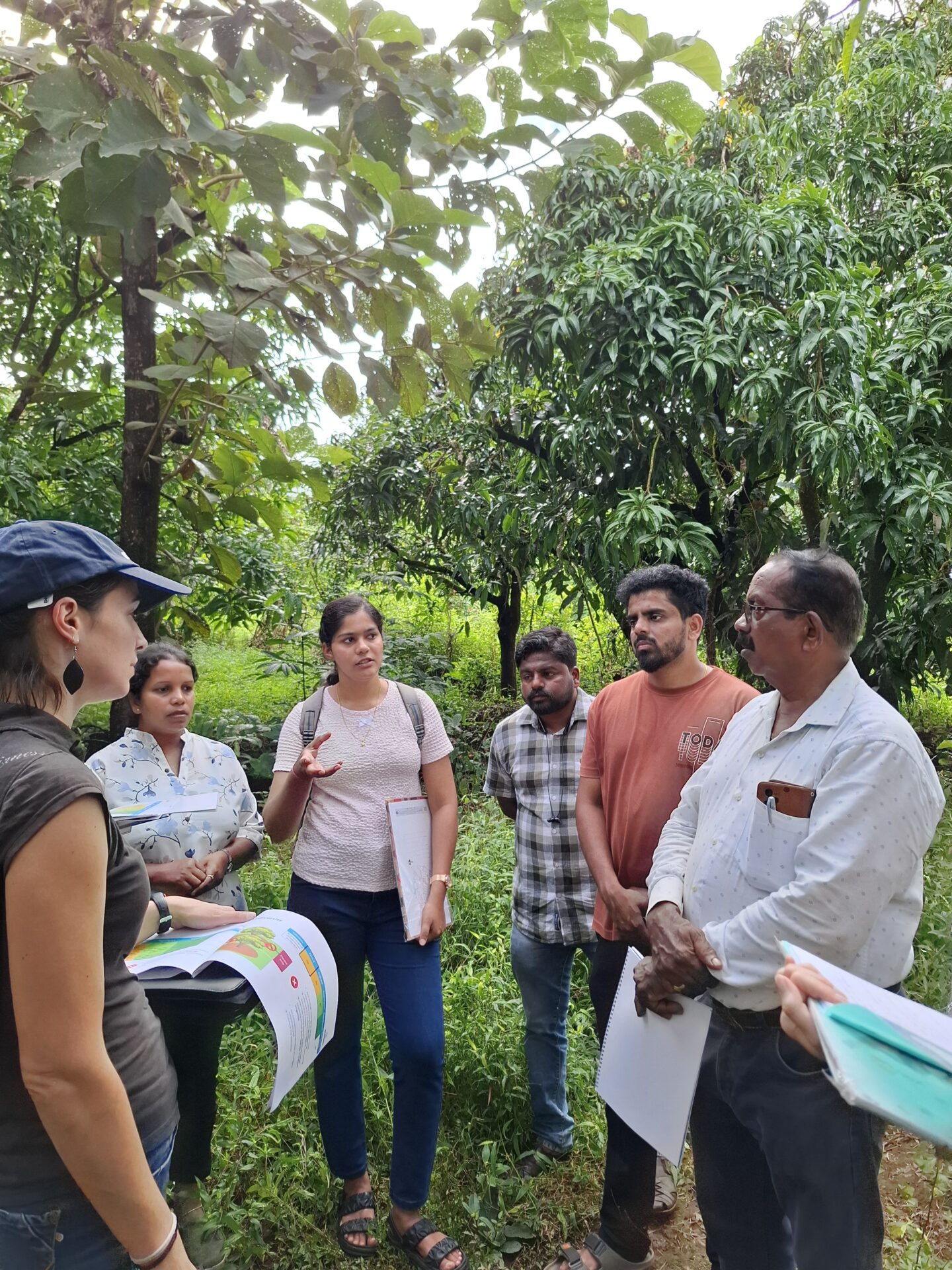
During this initial phase, Earthworm Foundation consulted 28 stakeholders across six cities within the production region. Growers, processors, traders, and research institutions participated in assessing both the industry’s needs and the opportunities for collaboration.
The study’s findings strongly support the initiative led by Les vergers Boiron:
- Broad support exists for a collective, industry-wide approach.
- The project is considered feasible.
- The conditions are in place to launch an initial pilot phase.
Next steps
This feasibility study represents a foundational milestone in the development of the Collaborative Mango Action Group.
The next phases will focus on bringing together an initial group of committed stakeholders, defining priority pilot projects, securing funding, and establishing the governance mechanisms needed to ensure the platform’s long-term success.