

When people think of mangoes, their attention naturally turns to India. As the world’s leading producer, the country accounts for nearly half of global mango production on its own. Yet, unlike many major export-oriented agricultural sectors, most of this production remains within India. In the country, the mango is far more than just a fruit: it is a cultural symbol, an agricultural heritage, and part of the daily life of millions of families.
Behind this exceptional production lie extremely diverse agricultural realities. From the fertile plains of Gujarat to the rocky hills of the Konkan region, from intensive farms to orchards where mango trees coexist with abundant vegetation, there is no single way to grow mangoes in India.
It is precisely this diversity that led Les vergers Boiron to launch the ECOJIVA project, together with Biosphères (a consultancy specializing in regenerative agriculture) and a local partner supplier.
Understanding before acting
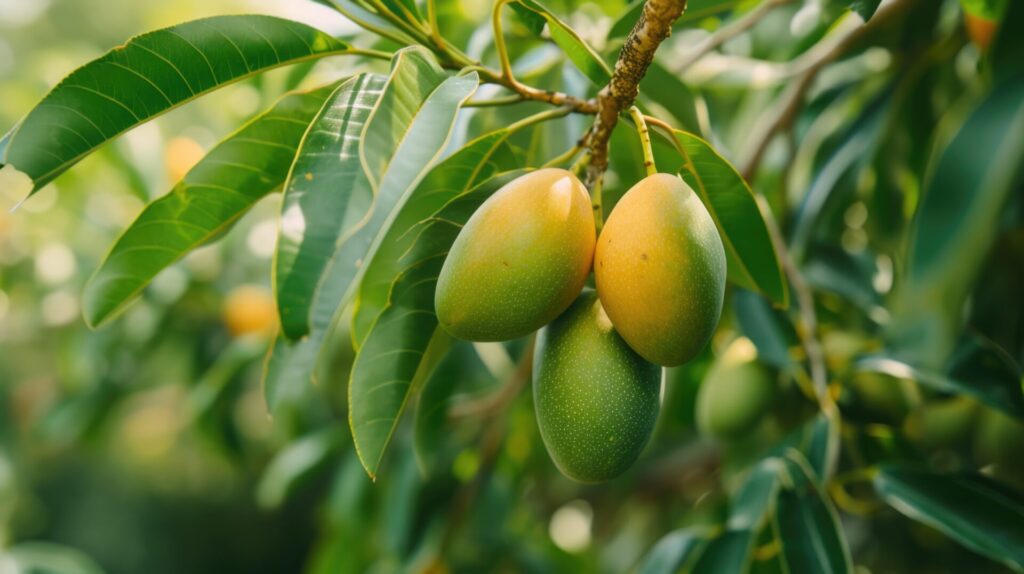
For Les vergers Boiron, mango holds a special place. Our unsweetened mango purée is recognized for its aromatic intensity and balanced flavor, achieved in particular through a blend of two iconic varieties: Kesar and Alphonso.
But behind this quality are growers facing increasing challenges: pest and disease pressure, soil degradation, biodiversity loss, and climate disruption.
In 2024, we set out to better understand these issues. Together with Biosphères, we conducted an in-depth assessment across several Indian production basins. Field observations in Hubli, Kudal, and Valsad quickly confirmed a key reality: there is no one-size-fits-all solution.
Farming practices vary depending on soil type, topography, climate conditions, market outlets, and local traditions. Culture also plays an important role. In a country as vast and diverse as India, agricultural practices are often influenced by religion, tradition, and each territory’s relationship with nature.
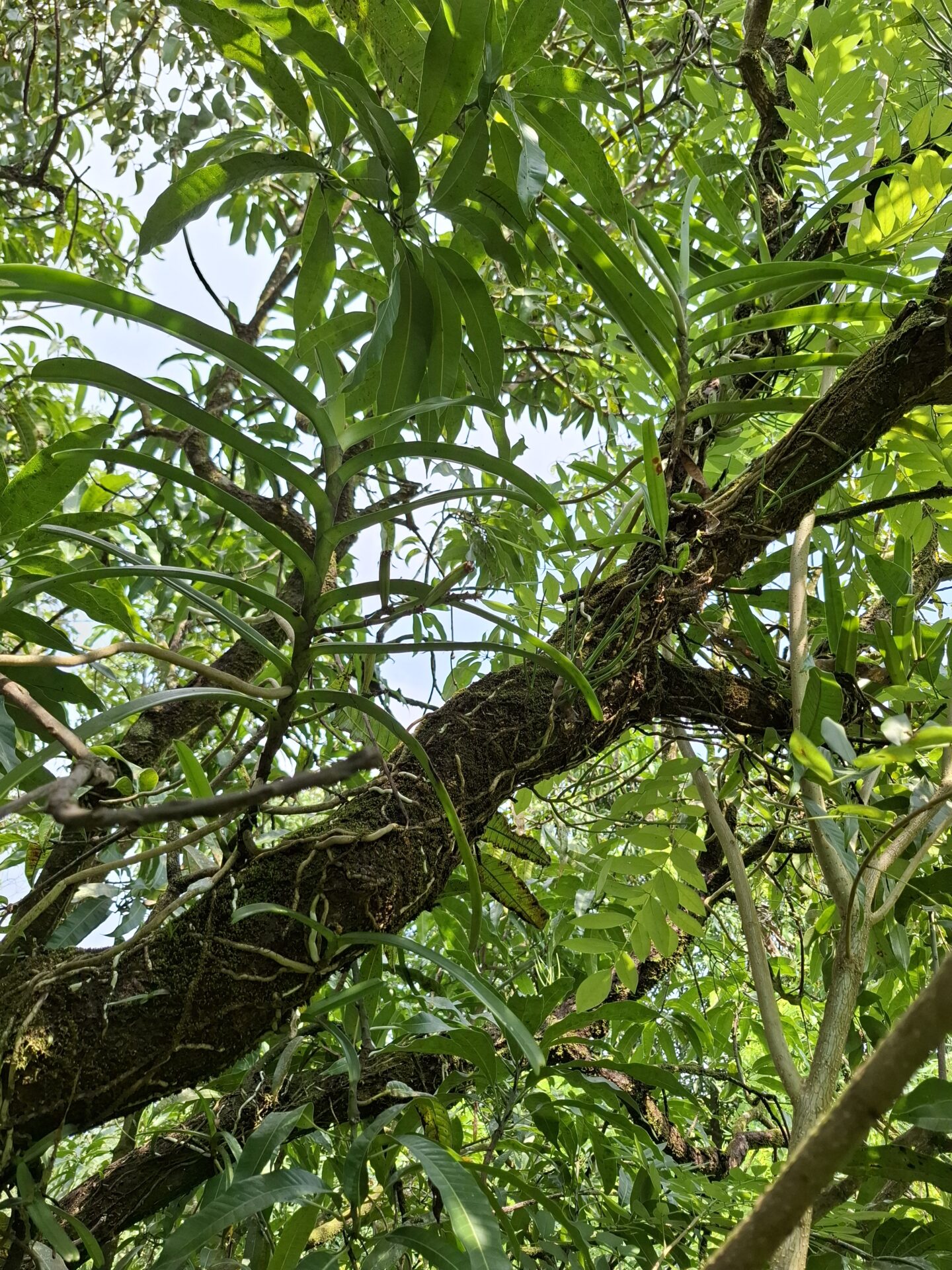
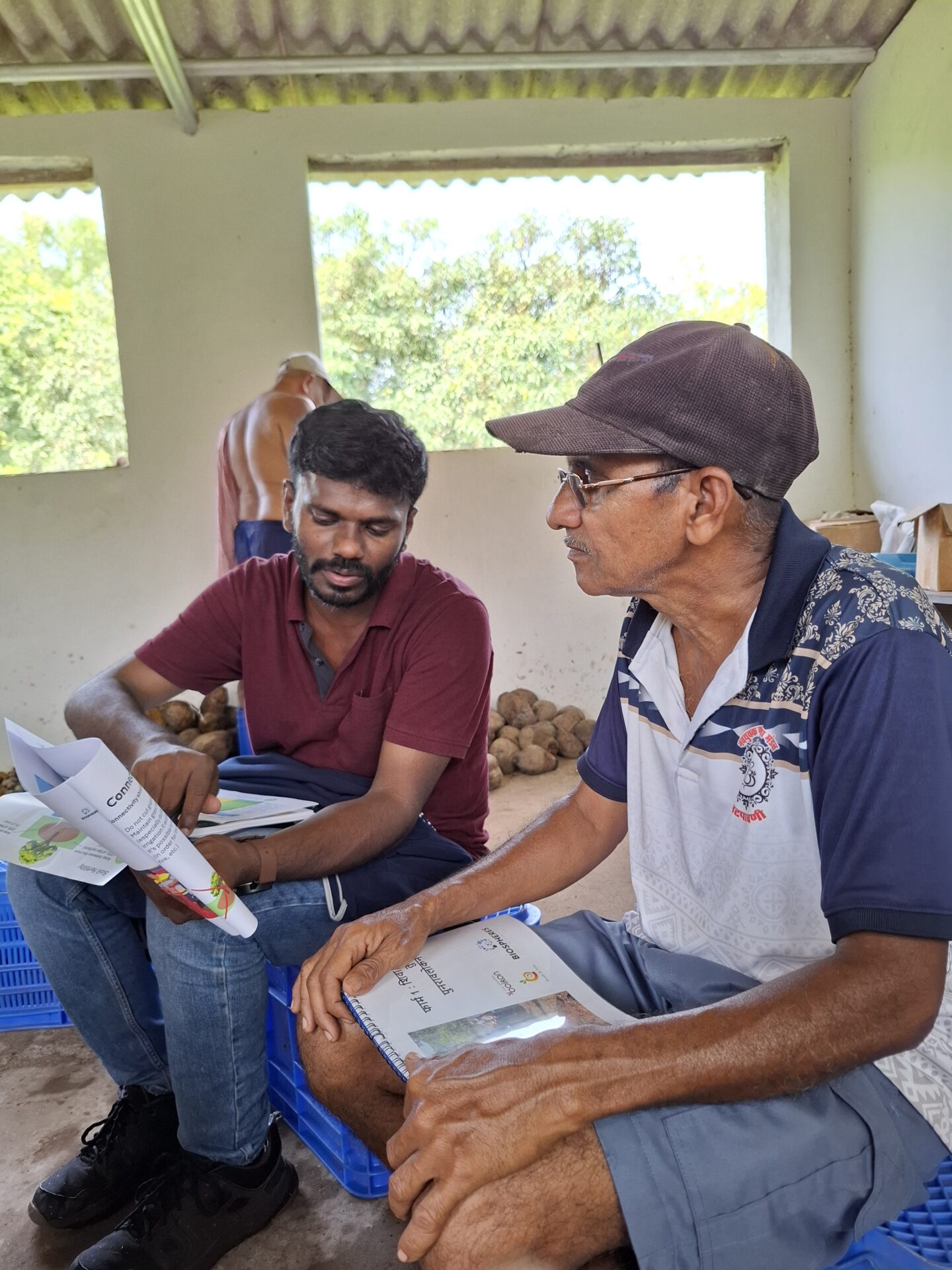
Three common challenges for growers
Despite this diversity, three major challenges consistently emerged:
- Maintaining soil fertility
- Reducing dependence on pesticides
- Preserving biodiversity in orchards
These challenges are now further intensified by climate change. Growers report increasingly unpredictable seasons, more frequent extreme weather events, and rising pest pressure. Faced with these difficulties, some solutions already exist. Others still need to be invented.
Testing before scaling up
Rather than imposing theoretical practices, ECOJIVA is based on a simple principle: experiment in the field. Together with one of our supplier partners and the Biosphères teams, we launched a network of pilot farms designed to test regenerative agriculture practices in real conditions.
Each experiment follows three steps:
- Designing protocols adapted to local realities: The practices tested must be scientifically robust while remaining accessible to growers. They rely as much as possible on locally available resources and practical, easy-to-implement recommendations.
- Testing under real farming conditions: Trials are conducted directly in orchards to observe results in real production contexts.
- Training and supporting growers: Findings are shared through field workshops and educational materials adapted to local languages. Indian technical advisors also provide regular follow-up with growers.
The Konkan region: an open-air laboratory
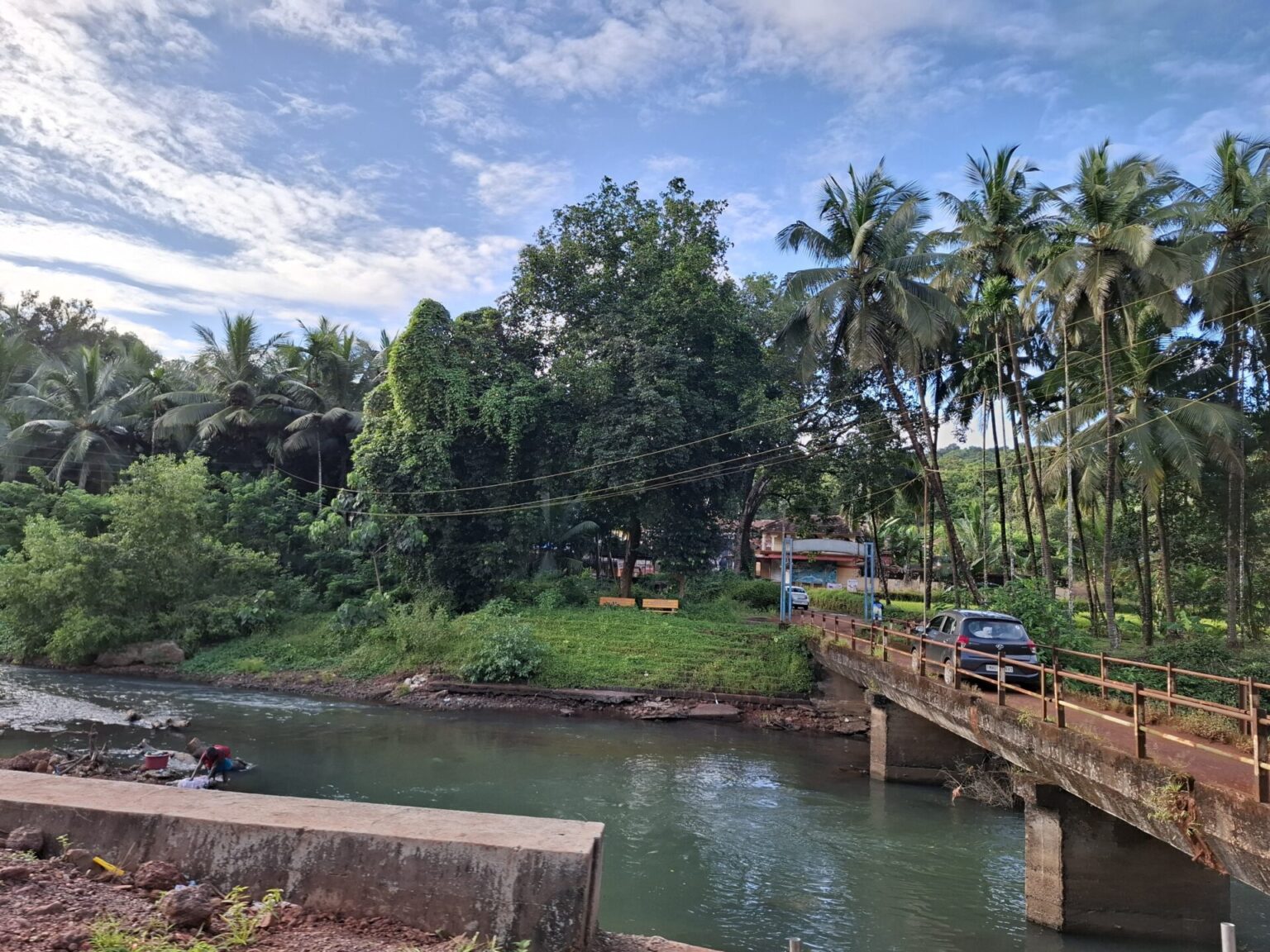
The first trials were implemented in the Konkan region, located between Mumbai and Goa. This coastal strip is known for producing some of the finest mangoes in the country, particularly Alphonso. The landscape is striking: steep hills, rocky soils, green valleys, and proximity to the Arabian Sea. But these conditions also make farming particularly demanding.
On each of the four partner farms, an approximately one-acre pilot plot (less than half a hectare) was selected for trials. The rest of the orchard serves as a reference to compare results.
Reintroducing biodiversity into orchards
One of the most ambitious workstreams focuses on biodiversity. The goal is to develop flowering strips and cover crops that support beneficial insects and pollinators while protecting soils. On paper, the idea seems simple. In reality, every decision raises new questions: which species should be planted? When? How can their flowering cycles be aligned with those of mango trees? And above all, how can these practices be integrated into already highly dynamic ecosystems? Some plants attract cattle that roam freely through the countryside. Seeds may be eaten by birds or monkeys. Protective nets were sometimes installed, only for teams to later realize they could accidentally trap wildlife. Every solution must therefore be reconsidered and adapted.
Exploring new crop protection approaches
The teams are also working on alternatives to conventional pesticide use. One avenue being explored is isotherapy applied to the management of thrips, small sap-sucking insects that are particularly problematic in mango orchards. The aim is to assess methods capable of strengthening trees’ natural defense mechanisms while reducing chemical inputs. This work is part of a broader effort to gradually restore biological balance within orchards.
The biggest challenge: supporting change
After more than a year of work, one conclusion stands out: the main difficulty is not only technical – it is human. Growers are often convinced of the value of regenerative practices. But when an insect outbreak threatens an entire harvest, the temptation to immediately return to conventional solutions remains strong. Change requires time, trust, and evidence. It also requires significant technical upskilling. Understanding biological mechanisms, observing plots, interpreting results, and accepting a degree of uncertainty are all new skills that must be developed.
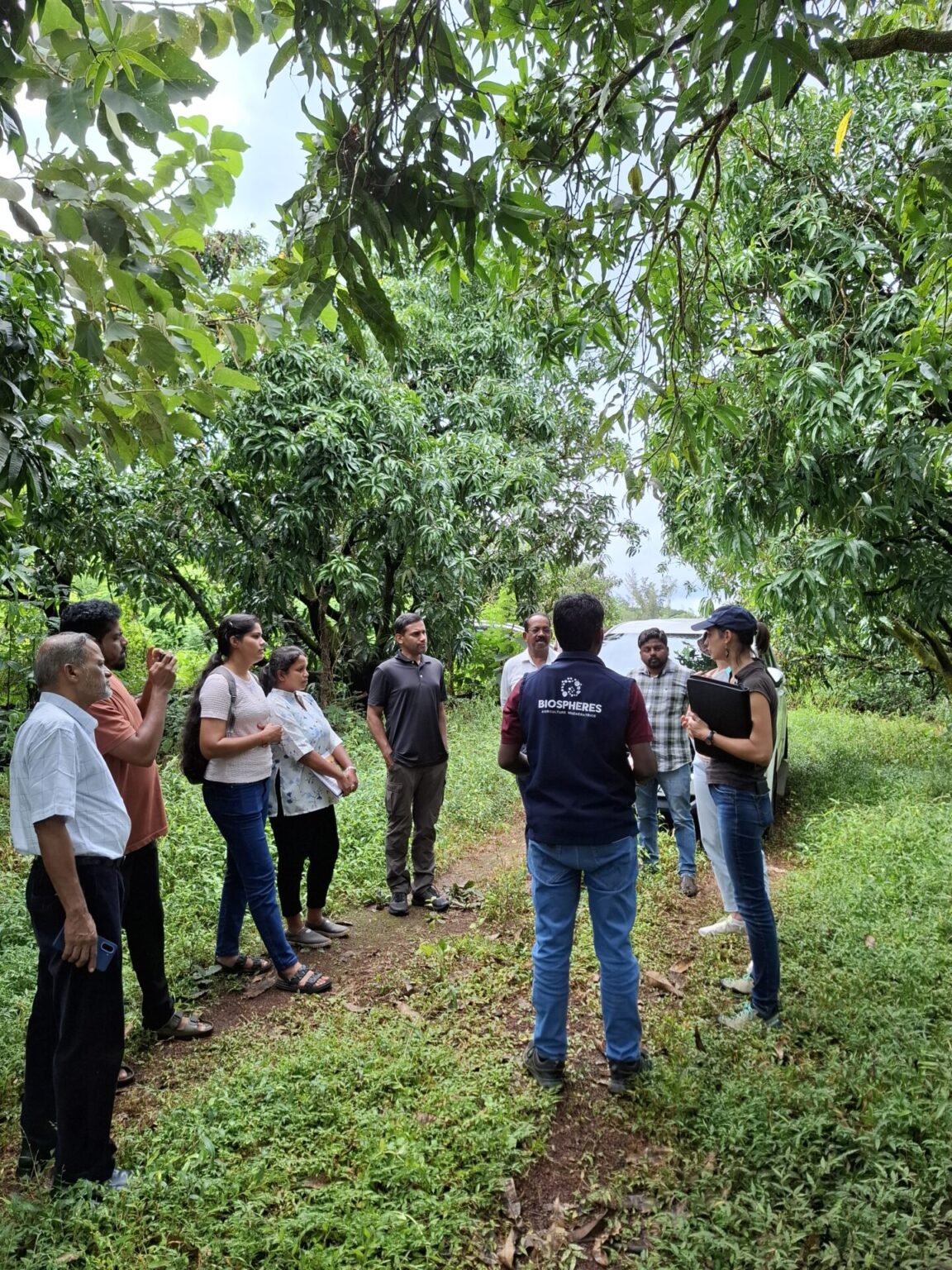
Co-building solutions
After more than a year of work, one conclusion stands out: the main difficulty is not only technical – it is human.
Growers are often convinced of the value of regenerative practices. But when an insect outbreak threatens an entire harvest, the temptation to immediately return to conventional solutions remains strong.
Change requires time, trust, and evidence. It also requires significant technical upskilling. Understanding biological mechanisms, observing plots, interpreting results, and accepting a degree of uncertainty are all new skills that must be developed.
Pilot farms to inspire an entire sector
The ambition of ECOJIVA goes far beyond the four plots currently involved in the project.
The goal is to progressively build a network of demonstration farms capable of clearly showcasing the benefits of regenerative practices.
These orchards will become spaces for exchange, learning, and training, where growers can observe results, share experiences, and collectively build the agriculture of tomorrow.